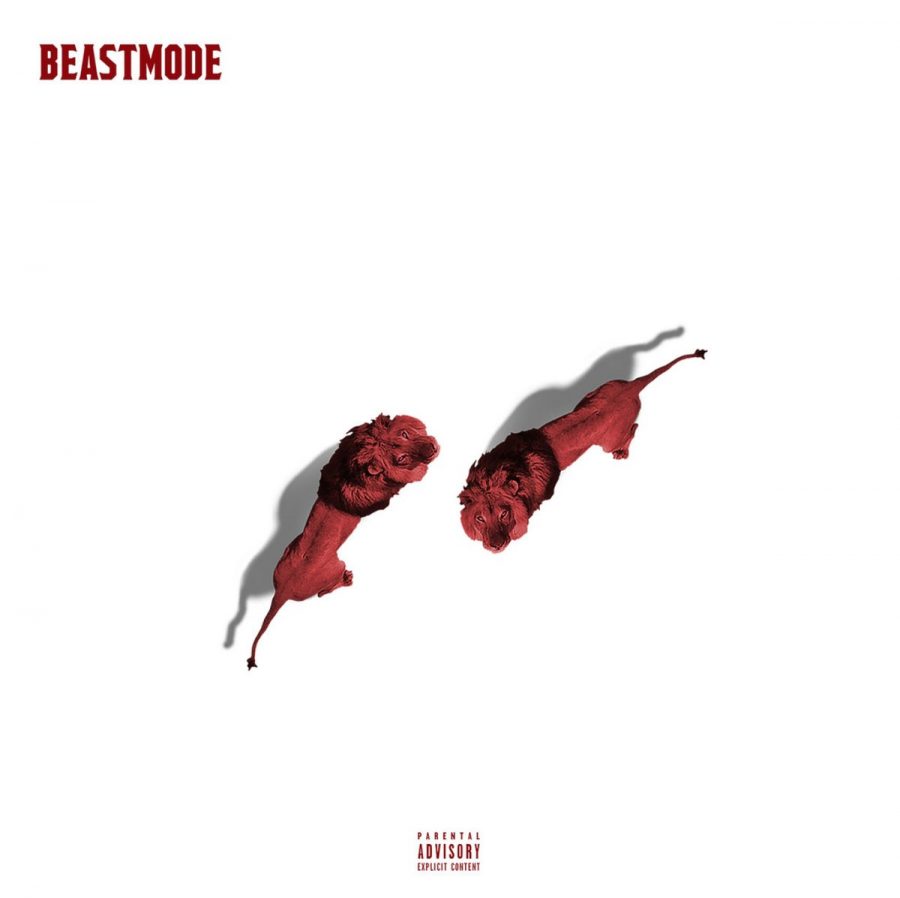
Album of the Week: Future & Zaytoven’s Beastmode 2 (2018)

Can I call this the last great Future project? I’m not mad at him for making 22-track albums that rehash the same territory he’s been in for years – his output from Pluto (2012) to 56 Nights (2015) is still unfuckwithable, and he’s earned the fandom that allows him to operate on cruise control.

But Beastmode 2 stands out among the mixed bag of Future projects over the last 5 years. Like the first Beast Mode (2015), Zaytoven – truly the Beethoven of trap-rap production – handles all the beats here, and the chemistry is palpable. Beastmode 2 is lean at 9 tracks, and holds up well in the era of bloated Deluxe editions.

I appreciate that Future, who had scored a massive hit in 2017 with “Mask Off”, included his OG Young Scooter as the only guest on this tape. “Doh Doh” bangs, and it helps Beastmode 2 feel more like a classic early 2010s ATL tape than post-peak Future.

Introspective Future is good Future: see “When I Think About It” (“I’m droppin’ outta school but that didn’t stop my education”). This is the first of three superb songs that close out the project. “Some More” finds Fewtch gliding over an icy, beautiful beat. And “Hate the Real Me” finds Future at his most compelling. Like “Codeine Crazy” and “Throw Away” he is reckless, remorseful, self-sabotaging, all over the most thrilling production on the project. It’s a peak that puts a bow on an outstanding tape with a lot of replay value. As Future himself puts it – the music special… it’s a part of us.

Listen to Beastmode 2 here.
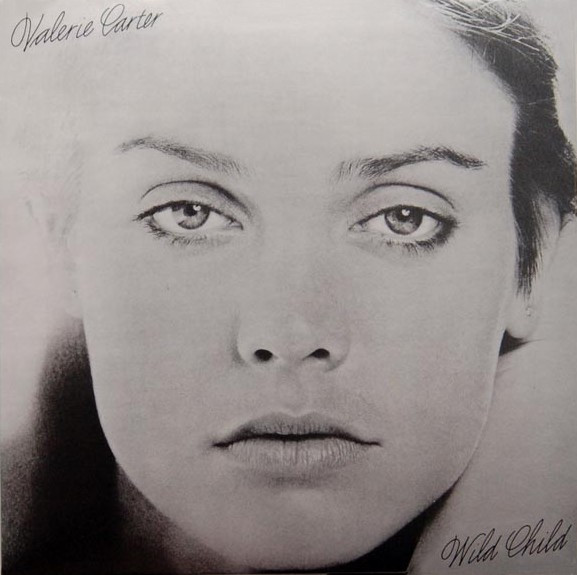
Album of the Week: Valerie Carter’s Wild Child (1978)

At a party a few months ago, I was enjoying a very 2022-sounding playlist of Charli XCX and rap stuff when someone threw on Steely Dan’s “Hey Nineteen”. I was flabbergasted. WHO had the cojones to throw on this cut from Gaucho, my favorite Dan album, and interrupt the frenetic hyper-pop with this smooth whiteboy funk? And why was it so GOOD?

Okay, so alcohol was involved, but I’ll never forget how (probably embarrassingly) excited this made me. That late 70s LA sound is so special, so fine and mellow, with slick session musicians who cut classic records in the place where it never rains. Chuck Rainey is here, who played bass on most Steely Dan albums, as is Victor Feldman, who also played (percussion/keys) on most Steely Dan albums. Jay Graydon, who plays guitar on Aja‘s “Peg”, provides a sick solo here on standout “What’s Become of Us”. Multiple horn players here also recorded with Steely Dan.

It makes sense then, that I think of the Dan when I pop on Wild Child, its opener “Crazy” just dripping with that disco-era production, all soulful and sexy. Admittedly, I don’t know much about Valerie Carter, other than that she was a singer-songwriter who worked with James Taylor and similar artists. She passed away in 2017, and her relative anonymity in the pop world today has me approaching this album almost as more of a Columbia Records group project than a solo album.

Wild Child doesn’t really separate Carter from her contemporaries (Jackson Browne, Phoebe Snow etc.) in that it is lyrical content is all love songs, and musically it’s pure Yacht Rock. This album’s strength is in its consistent quality. “Taking the Long Way Home” is sappy, but builds to a tight climax. “The Blue Side” rolls in like a Pacific breeze. “Wild Child” closes the set on an extremely strong note, with Feldman’s jazzy atmosphere and Carter’s most arresting vocal performance. Though it lacks that X factor found in stone-cold classic albums, Wild Child doesn’t deserve to be a forgotten, bargain-bin mainstay. It’s an excellent record with lasting music, and a defining piece of the late-70s LA sound.

Listen to Wild Child here.

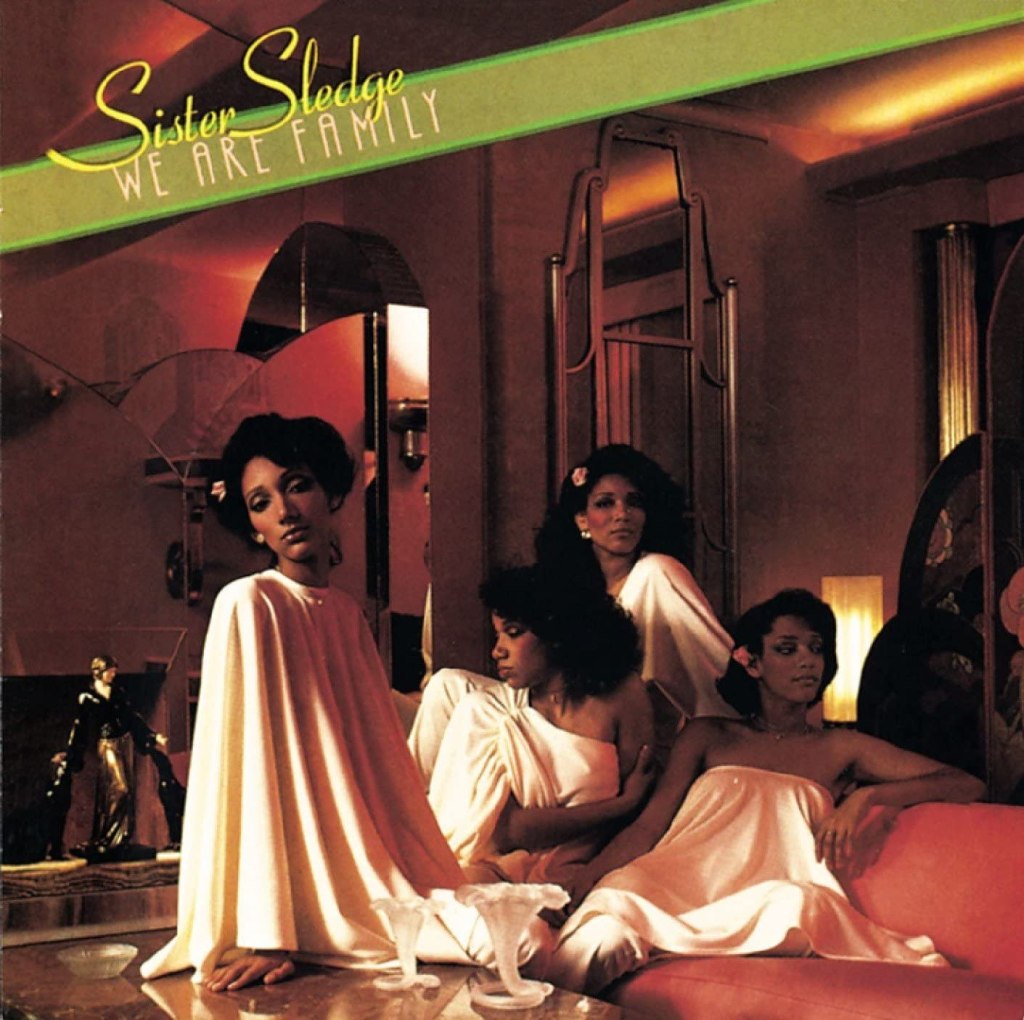
Album of the Week: Sister Sledge’s We Are Family (1979)

Yes, this is Sister Sledge’s We Are Family, featuring the hit Sister Sledge song “We Are Family”. However, this classic disco LP has a lot more to offer! The incomparable Nile Rodgers is in the house, as is his Chic bandmate and bassist Bernard Edwards. The duo produced and wrote the entire album, but it couldn’t be complete without the satin-clad singers you see above.

The sisters Sledge – that’s Debbie, Joni, Kim, and Kathy Sledge – hail from Philadelphia and graduated from Olney High School. I never knew they were actually sisters with the last name Sledge, but that explains “We Are Family”, for one thing. It’s one of those songs that’s so strongly burned into my childhood brain from radio play, family gatherings, sporting events, birthday parties etc. that I wouldn’t really go out of my way to listen to it now. But hearing “Thinking of You” for the first time recently, I was blown away. Here’s a downright amazing song, peak Nile Rodgers. Here’s what Kathy Sledge told PopMatters of the track:

“I remember they would always show us the song that we were going to record, not even the day of, but when it was time to record it… When they first played ‘Thinking of You’, I loved it instantly. I like all the songs that I got the opportunity to sing with Nile and Bernard, but ‘Thinking of You’ always stuck out to me.”

Opener “He’s the Greatest Dancer” went to #9 on Billboard’s Hot 100 – disco was really a thing, huh? If you’re a 90s baby like me, you probably know this guitar line from Will Smith’s “Gettin’ Jiggy Wit It”. Needless to say, the Sister Sledge song knocks it out of the park. This is rock-solid album where the non-hits are great as well: the last minute of “Somebody Loves Me” is heavenly. We Are Family is a laid back slab of grooves from one of the masters, and this album has actually changed the way I think of pop disco. Dig it.

Listen to We Are Family here… ooh- er, that’s actually a video of Phish covering “Gettin’ Jiggy Wit It”. Listen to We Are Family here.

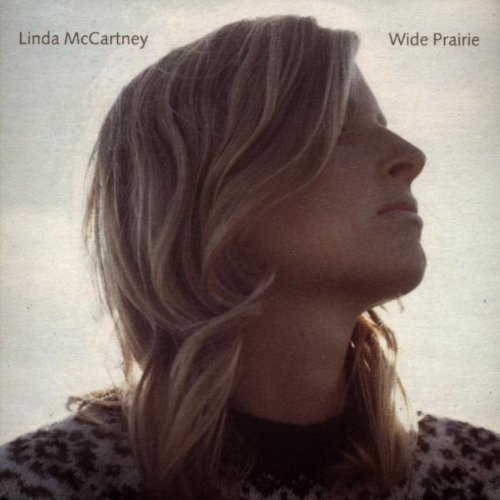
Album of the Week: Linda McCartney’s Wide Prairie (1998)

Did you know that Linda McCartney recorded at Lee “Scratch” Perry’s Black Ark Studio in Jamaica? This unexpected tidbit led me to Wide Prairie, a posthumous compilation album and in a sense the only solo album from the late Linda. The Black Ark tracks, covers of “Mister Sandman” and “Sugartime”, are nothing mindblowing. However, they help Wide Prairie paint a picture of Linda as a versatile and fun-loving artist.

One thing I like about Paul McCartney’s 70s material is that a lot of it sounds like he was just hanging out and getting stoned (which I’m pretty sure is what The Beatles did too): see McCartney II and its bizarre single “Temporary Secretary”. Wide Prairie, with half of its 16 tracks culled from various 70s sessions and Paul’s voice scattered throughout, feels the same way. The title-track is half cinematic atmosphere, half honky-tonk. Standout “Seaside Woman” is a groovy reggae hit, and its cheeky counterpart “B-Side to Seaside” is included here as well. “Oriental Nightfish” has a classic soundtrack vibe with Linda’s strange narration on top.

As far as the post-70s material, it’s a mixed-bag, but “Love’s Full Glory” and “Endless Days” are both pretty little ballads. “Cow” is a weird drum-machine tune that sounds like a half-computerized lullaby with a wicked guitar solo – an awesome song. There are some stinkers here (I’m looking at “Poison Ivy” and “Appaloosa”), which might explain NME’s 2/10 rating back in 1998. Yes, Wide Prairie is an odds-n-ends affair, but it’s got hidden gems and is recommended for any McCartney fan.

Listen to Wide Prairie here.

Album of the Week: The Lyman Woodard Organization’s Saturday Night Special (1975)

Sheeeeeeeit.

I got into a lot of organ jazz over the past year, and next to Moon Rappin’ my greatest single discovery in that time may be The Lyman Woodard Organization’s Saturday Night Special. Woodard was a keyboardist in Detroit who was apparently inspired to play the Hammond B3 after hearing Jimmy Smith on the radio. Perhaps the premiere jazz organist of all-time, Smith’s influence could only be positive. And so it was that Woodard eventually came to create a classic album of his own under the Organization moniker.

The “saturday night special”, as you may know, is a cheap handgun, like the one seen on this album cover. However, there’s nothing cheap or particularly violent about this album. Most of Saturday Night Special is relaxing as hell, guided by L.W.’s swirling B3. “Joy Road” is smooth as silk, an early standout. “Belle Island Daze” transitions into a percussion-filled jam before Woodward brings it back home with a winning organ melody. “Cheeba” features some rippin’ guitar vamping before “the bongo boys” (a name I made up) storm the track in the album’s most chaotic moment.

“Creative Musicians” is arguably the record’s one misfire, a schmaltzy vocal tune that doesn’t quite fit. At under 3 minutes, though, it isn’t really much to complain about. As is often the case, the first side of this record outdoes the second, but “Help Me Get Away” ends things on a high note with Metheny-like licks and more bongos. The streaming version of Saturday Night Special also contains some added bonuses, including a “Lost Alternative Mix” of the title track that squeezes itself in at about half the length of the original cut with a bit more punch in its drums. This album’s highly recommended for all fans of organ music or funky jazz.

Click here to listen to Saturday Night Special.

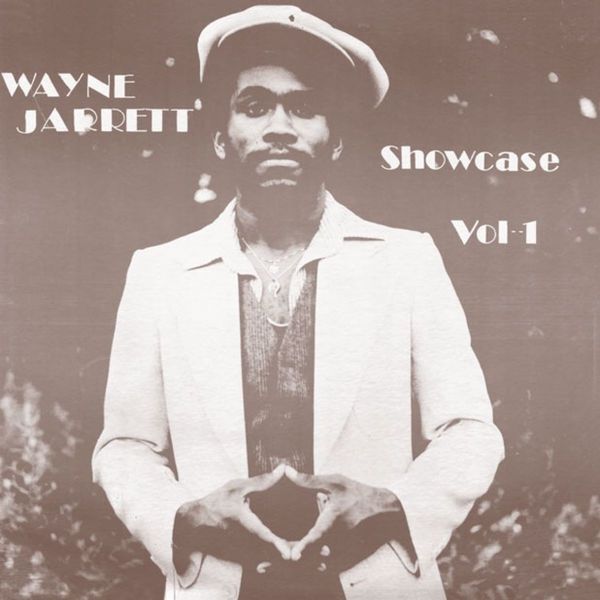
Album of the Week: Wayne Jarrett’s Showcase Vol. 1 (1982)

I’m in California now, so naturally I took a trip to the beach. Amidst seagulls and sunbathers I ducked under my t-shirt for a couple puffs of my one-hitter. Climbing up some rocks with my cooler I settled down at a picnic table to enjoy some iced tea and mellow out. Music was in order and I turned to Wayne Jarrett’s Showcase Vol. 1, which was probably the best decision I made all week.

This shit is magic. There’s a formula of sorts – despite the 80s release date we have here some rootsy, organic reggae songs featuring Wayne’s smooth voice. Then about halfway through each track we get a “version”: each song is dubbed out to glory before our very ears. The first two tracks, while great, have relatively short dubs. But once we get to “Magic in the Air”, which is a great song in its own right, there’s about 3-and-a-half minutes of dubby goodness in the backend.

“Bubble Up”‘s muted hi-hat creates a revolving, hypnotic dub that provides a base for some wicked guitar and flute vamping. “Darling Your Eyes” is a fat lovers rock song and possibly the best track here. At just 6 tracks, the brief album closes with “Holy Mount Zion”, recalling in melody Dadawah’s classic “Run Come Rally”.

In the mid-2000s, Basic Channel undertook a reissue project for the legendary American reggae music label Wackie’s, which originally released Showcase Vol. 1, along with other killer LPs like Horace Andy’s Dancehall Style and Junior Delahaye’s Showcase. If it wasn’t for them, we probably wouldn’t be hearing this album to today, so I’ll end this one on a big salute to Basic Channel.

Listen to Showcase, Vol. 1 here.

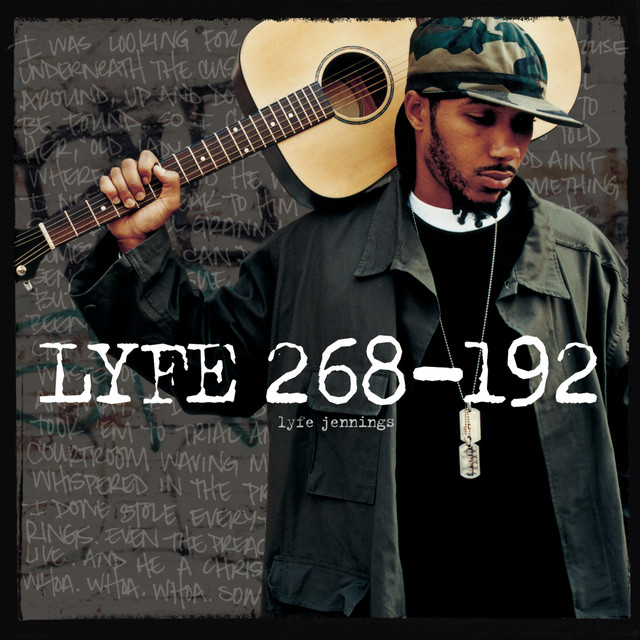
Album of the Week: Lyfe Jennings’ Lyfe 268-192 (2004)

“This falls into a full-bodied narrative arc so effortlessly. R&B neorealism.” -RYM user Rigondonuts

As suggested by the quote above, Lyfe 268-192 is as much a story as it is an album. Step aside, Kendrick! Lyfe gives the artist’s story in a brilliant, flowing song cycle of a debut. Having been incarcerated at a young age, the numbers in the album’s title refer to his prison number. But Lyfe is much more than a story of prison, it’s a story of love.

As Lyfe opens up to “Must Be Nice”, an ode to a loving partner, one of the first things you may notice is that Lyfe Jennings has a fantastic voice. I first discovered him on the posthumous Shawty Lo song “My Love”, which with its bittersweet sort of electronic harpsichord and the context of Shawty Lo’s untimely passing gives Lyfe a truly heartfelt chorus. He wrings emotion out of his notes in a smoky style similar to that of the classic R&B artists of the 60s. Having written and produced every song himself (with only two songs co-written by others), Lyfe stands out among other R&B albums of the early 2000s with a focused, cohesive vision and style.

Good R&B makes you want to sing. There are certain songs that revolve in your head like a special memory, encouraging off-the-cuff vamping whether you’re in the shower or not. “I Can’t” is one of those songs for me, and it wasn’t even a single from Lyfe. This fantastic love ballad is sandwiched between two excellent tracks about fairly specific relationship difficulties. “She Got Kids” weighs the pros and cons of dating a single mother with an empathetic view, while “Hypothetically” finds the narrative’s couple discussing difficult issues together.

The album’s middle section finds Lyfe single and in legal and financial trouble. The down-to-earth musings of “Stick Up Kid” (“You ever seen a n**** diggin’ in the ashtray? / I’m doin’ bad, y’all”) lead to “Cry”, which features one of my favorite Lyfe quotes: “Crying is like taking your soul to a laundromat.”

I would say the back half of this album is not quite at the level of the first, with its overly-rambling “Made Up My Mind”, but that would be doing a disservice to the amazing closer “Let’s Do This Right”. I love this song. A tribute to people in prison, Lyfe actually names his fellow inmates, effectively immortalizing them in his music. “Lyfe,” he muses in conclusion, “the soundtrack… to your life.”

Listen to Lyfe 268-192 here.

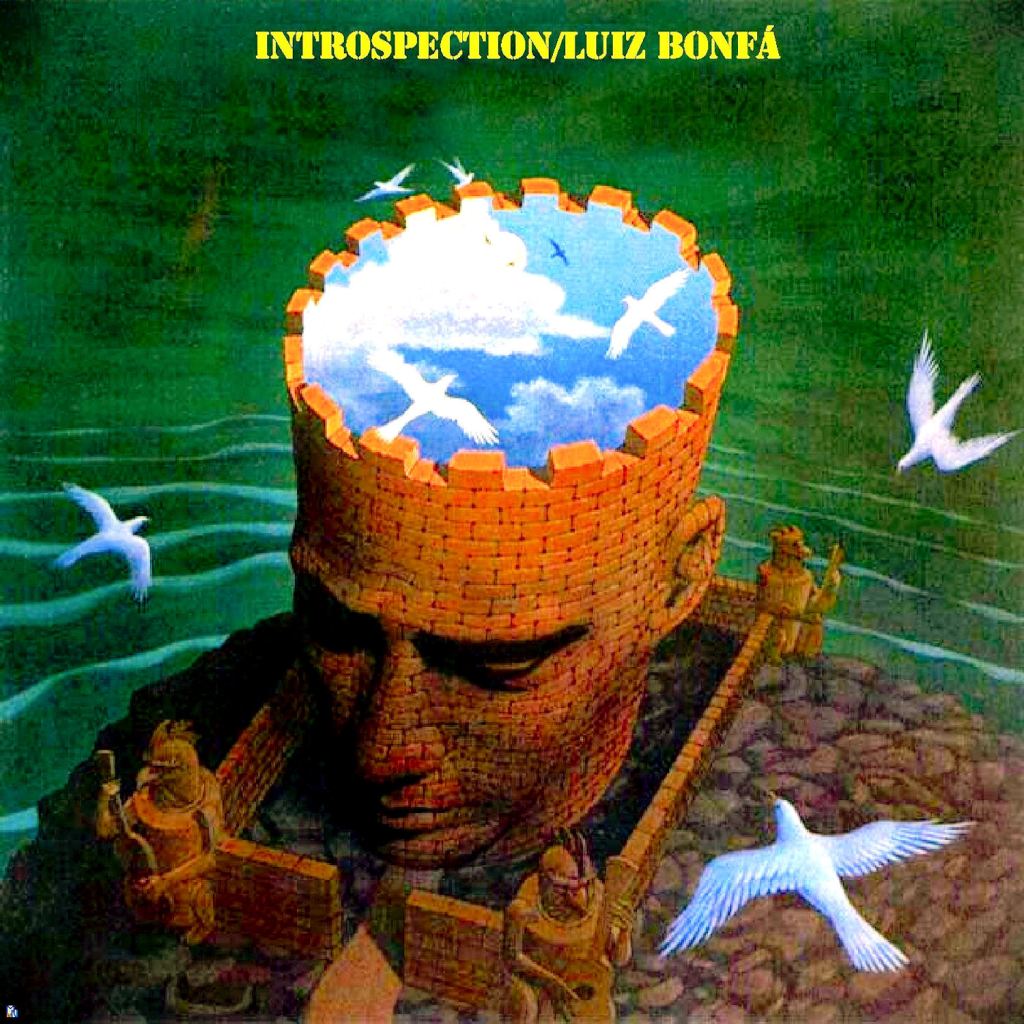
Album of the Week: Luiz Bonfa’s Introspection (1972)

Introspection – How It Feels to Chew 5 Gum! Our head is a castle, our mind a sky. And what better way to journey through the clouds than on the wings of an acoustic guitar?

Rio de Janeiro’s Luiz Bonfa had a lucrative career as part of the samba scene of the 50s and 60s, notably writing some of the music for the brilliant film Black Orpheus (1959), including “Manha de Carnaval”, which has been covered by many including Astrud Gilberto. His collaboration with Stan Getz, Jazz Samba Encore! (1963), was a hit that includes Bonfa’s “Saudade Vem Correndo”, which was sampled by J Dilla on the Pharcyde classic “Runnin’”. The guy could write a good song.

Introspection feels more improvisational, but it’s short and sweet at just over 26 minutes. This works to the album’s advantage as the songs are quite similar. No vocals or accompanying instruments, just that airy guitar, slowing in tempo and then picking up again like a classical movement (hence, “Concerto for Guitar”). “Missal (Estudo)” stands out for having what sounds like two guitars in the mix (although I am almost certain there is only one) for a wonderful harmonic effect.

Listen to Introspection here.

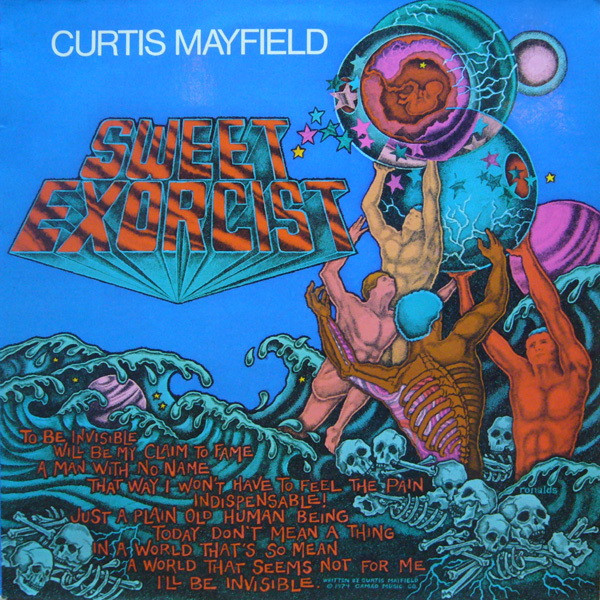
Album of the Week: Curtis Mayfield’s Sweet Exorcist (1974)

We love Curtis Mayfield over here at GSG. Curtis, Roots, Superfly – all stone-cold classics, not to mention There’s No Place Like America Today, my personal favorite of his. A few of his albums slipped through the cracks though, including Sweet Exorcist.

A 1974 review in Rolling Stone complains that the album “sounds hastily conceived and then competently executed to meet some contractual deadline.” Christgau gave the album a C and wrote that “To Be Invisible” is “its only interesting song.” Was Sweet Exorcist deserving of its lukewarm reception?

Well, yes and no. Compared to earlier outings from Mayfield, it’s a step down. But once you’ve listened to those records innumerable times, this one comes as something of a fresh discovery. It’s certainly not as weird as the cover would suggest – and seriously, what is going on here? Naked blue-haired men rising from a skeleton sea to lift up the planets and an electrified embryo? I’m not sure if this cover helped or hurt sales.

But the contents are, for the most part, classic Curtis. The title track grooves and “To Be Invisible” is a damn good ballad. While “Power to the People” is a bit rote and “Kung Fu” is lyrically silly, the rest are solid tracks. “Suffer” has a co-writing credit from Donny Hathaway and is accordingly heartfelt. “Make Me Believe in You” ends things on a strong note with a driving beat.

At just over half an hour, Exorcist feels a little slim. Who knows, maybe it was indeed executed to meet some contractual deadline. Nevertheless, we have in 2022 the convenient ability to instantly stream this music instead of going out and buying the record, weird-ass cover and all.

Listen to Sweet Exorcist here.

Album of the Week: Popol Vuh’s Das Hohelied Salomos (1975)

Popol Vuh have a few classics under their belt, but this is the jammiest. This is the one to smoke to. I mean, it literally starts out with a boom. Full of reverb and cymbal splashes, the atmosphere is so thick, the guitars so damn psychedelic, you might catch a contact high just listening to it.

The title translates to The Song of Solomon, and according to Light in the Attic, “the theme of the album is taken from biblical passages, using verses from King Salomon’s [sic] tales on The Old Testament.” I don’t understand singer Djong Yun’s lyrics any better than that of their high-water mark Hosianna Mantra (1972), but her voice is as lovely as ever. And just like on that album, she again sings “Hosianna”.

The second track “Du schönste der Weiber” starts off quite mellow, but builds up to a crescendo of Fichelscher’s positively face-stealing guitar. I only wish this track didn’t fade out so quickly. The fade-outs are probably my biggest gripe with an otherwise fantastic record.

On the second side, beginning with “Der Winter ist vorbei” (“The winter is over”), we have an added treat of sitar and tabla. To me, the tabla especially adds to the psychedelic groove that puts this band in an upper echelon of all-time rock groups. Sheesh. Spend an afternoon living in this one…

Listen to Das Hohelied Salomos here.