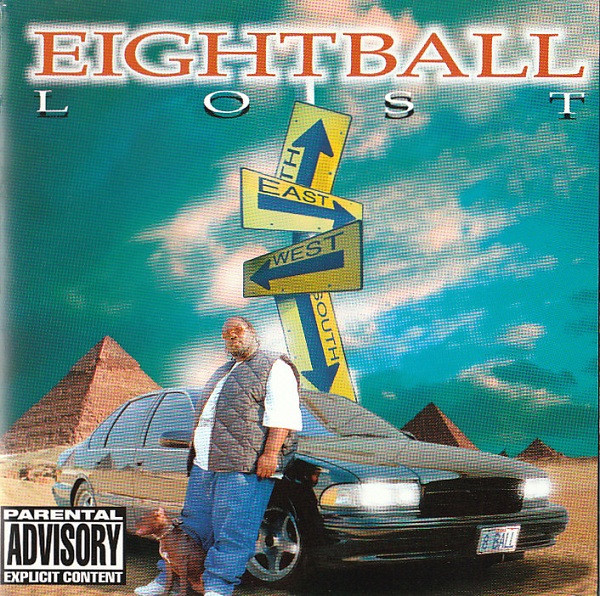
Album of the Week: 8Ball’s Lost (1998)

Wait, that album cover’s not crazy enough… hold on…
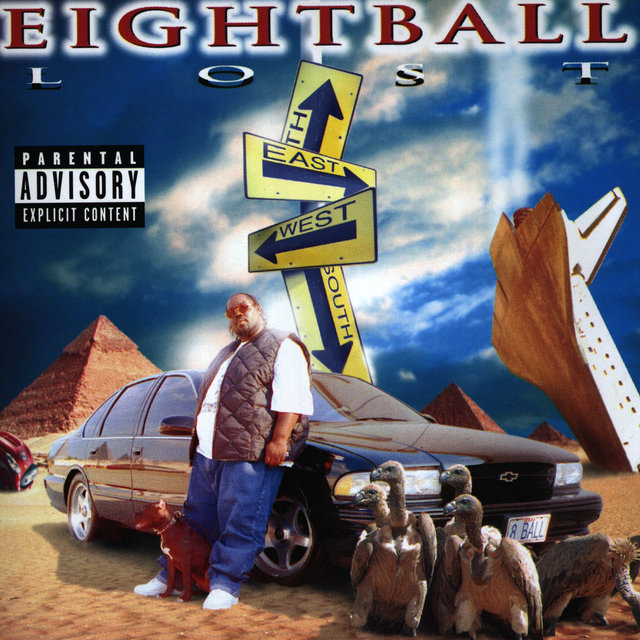
There we go.

Deeper than Encyclopedia Brittanica…

In 2006, XXL ran an online piece on the 90s label Suave House. Black Ice, the writer of the article, states that “starting completely independent in 1993 and then getting national distribution through Relativity Records and eventually Universal, Suave opened the floodgates in the mid-90s for Southern imprints to secure support from major labels,” and that the artists on the label lived in an actual house together.

Presumably this group included 8Ball & MJG, Memphis hip-hop legends who released their first four albums on Suave House, years before becoming immortalized on Three 6 Mafia’s “Stay Fly”. Though they work best as a duo, I’ve recently found a lot to enjoy on 8Ball’s solo debut Lost. A double-album (technically a triple-album if you include the Suave House sampler bonus disc, which is not streaming) largely forgotten in the 90s rap canon, it is remarkably consistent in style and quality, with great guest features and an even better solo performance. In this way it reminds me of E-40’s The Element of Surprise, one of my favorite double-albums ever.

40 Water is present here, along with Goodie Mob, Busta Rhymes, and of course MJG. But Ball shines brightest. On single “My Homeboy’s Girlfriend”, he spins a tale that is both hilarious and tragic, and sings the hook. His storytelling is in full effect on this track and “Time”, a dramatic reminiscence on a friendship gone sour. There are straight-up bangers too, like the MJG-featuring “Let’s Ride” and the penultimate “Gett Bucked” (classic Memphis phrase right there). My favorite guest spot comes from Redman, who in the late 90s was just scorching every feature (see also: The Luniz “Hypnotize”).

This is one of those albums that is so long you really can’t mention every track. The production is all in-house and somewhat dated, and there is some filler here and there. But it’s worth a look, especially if you’ve checked out 8Ball and MJG’s high-water mark On Top of the World and want more.

Listen to Lost here.
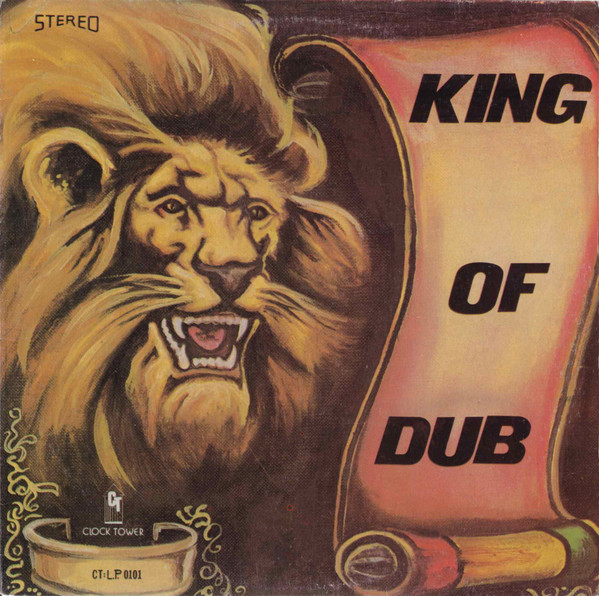
Album of the Week: Bunny Lee & Brad Osborne’s King of Dub (1978)

Bunny “Striker” Lee was one of reggae’s premier producers. Discogs credits him with production on over 2000 recordings, as well as writing credits for legends such as John Holt, Max Romeo, Dennis Brown and more. His Jamaican reggae productions form the backbone of King of Dub, a Jamaican-Bronx record of unassailable dub music.

This album is erroneously attributed to King Tubby on Spotify, which is somewhat understandable. The LP cover suggests that the artist is simply “King of Dub”, and the back cover’s notes from Clocktower Records founder Brad Osborne read in part, “For the right sound and effect, KING TUBBYS ‘the dubmaster’ is a must, knowing when to bring in the Rhythm and leggo the Bass and Drum”. The album was also mixed partially at King Tubby’s studio in Jamaica, and what with Tubby being a prominent King of the dub genre, the confusion is almost inevitable.

Little is written online about Brad Osborne, but this blog post from 2015 gives some insight. Osborne imported records from Jamaica to his shop in the Bronx based on the personal connections he had with Jamaican producers like Bunny Lee and King Tubby. According to the post, Osborne was given exclusive music on tape from these producers and often overdubbed them with flutes and pressed them to vinyl for Clocktower.

King of Dub, then, is a compilation of Bunny Lee productions for reggae artists that Osborne selected and released. With Sly & Robbie holding down the rhythm section you can’t go wrong (this is a general rule in reggae releases): the thing bangs. Like all dub, it’s best heard on loud speakers rather than an iPhone (the LP sounds particularly tight). Horns, organ, echoing vocals and dubby beeps abound on the opener “King Zion Dub”.

Much of the joy in this dub collection comes from tracking the many instruments or lack thereof (and as with any dub, the mixing board becomes an instrument): you’ll hear a horn appear out of nowhere, then fade out, leaving only bass and drums, then a guitar will enter, then echo away. The hi-hats will change in timbre and then drop. At times the music might come to a complete halt altogether. “Rubba Dunza”‘s ominous bass-heavy track is complimented by occasional drum splashes.

The final track “Stalac 80 Dubwise”, a scorching dub of “Stalag 17” by Ansell Collins (better known as the riddim used by Sister Nancy in “Bam Bam” as well as Chaka Demus & Pliers “Murder She Wrote”), is not listed on Spotify. Whether this is due to some sample clearance issue or the title’s similarity to the Nazi POW camp Stalag 18 is unclear. I believe that the track listed as “Fancy Up a Dub” is actually an edit of “Stalac 80 Dubwise”, but I would have to relisten to my record to be sure. Nevertheless, the final track here is a true ranking dub that tops off what is one of the greatest dub albums I’ve had the pleasure of hearing.

Listen to King of Dub here.

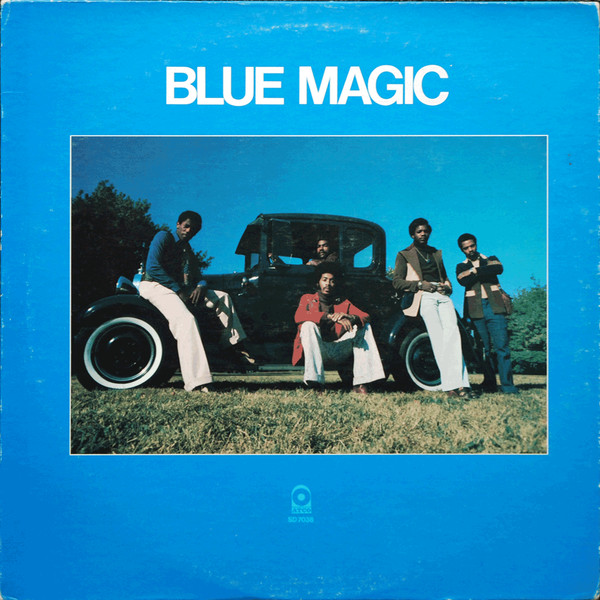
Album of the Week: Blue Magic’s s/t (1974)

Five wonderful, outta sight, and talented guys -back cover of Blue Magic LP release

Open your mind, you see the circus in the sky -Jay-Z, “Blue Magic”

Philadelphia is one of the 20th century Meccas of soul music. The super-producer group MFSB, which included master R&B architects like Thom Bell and Dexter Wansel, convened at 212 North 12th Street in the 70’s to record “The Sound of Philadelphia” (which became the Soul Train theme) and other classics by writing team Gamble & Huff (“Love Train”, “If You Don’t Know Me by Now”). Punchy and orchestral, these soul innovators practically invented their own genre.

My interest in Philly Soul began in 2015 when I heard The Stylistics, which remains the subgenre’s high-water mark for me. A year later I found Blue Magic. For a long time I returned only to the mammoth side-A closer “Just Don’t Want to Be Lonely”. But listening to the album today, it strikes me as remarkably solid, an album with no lowlights to speak of.

Compared to The Stylistics, Blue Magic is lesser known. They only nabbed one top 10 Billboard hit in their careers, with Blue Magic opener “Sideshow”, but this is a true gem of a song. Straight away, lead singer Ted Mills lends his delicate falsetto to the beautiful track, which is as heartbreaking as it is catchy. “Sideshow” (and “Just Don’t Want to Be Lonely”) co-writer and session guitarist Bobby Eli had by this point played with the O’Jays, Stylistics, B.B. King and more, and his presence is important here (he would continue to work with Blue Magic on their next 3 albums). Norman Harris was, similarly, an MFSB guy, and his “Look Me Up” is an energetic contrast to the album opener.

But where Blue Magic succeed best is in their delicate, heavenly ballads. “What’s Come Over Me” sounds more like a daydream than anything else I’ve heard in the Philly Soul oeuvre. “Spell”, the band’s first single, is tender almost to a fault (inspiring a great Rateyourmusic user comment: “spell makes me shed dove tears bro”). “Just Don’t Want to Be Lonely” is epic in scope, extending over 7 minutes with a full spoken-word breakdown. Everything is meticulously composed, scrupulously played and sang. Just incredible stuff.

I’ll be checking out the follow-ups to Blue Magic to see how they measure up. In the meantime, I recommend getting acquainted with this standout soul record.

Listen to Blue Magic here.

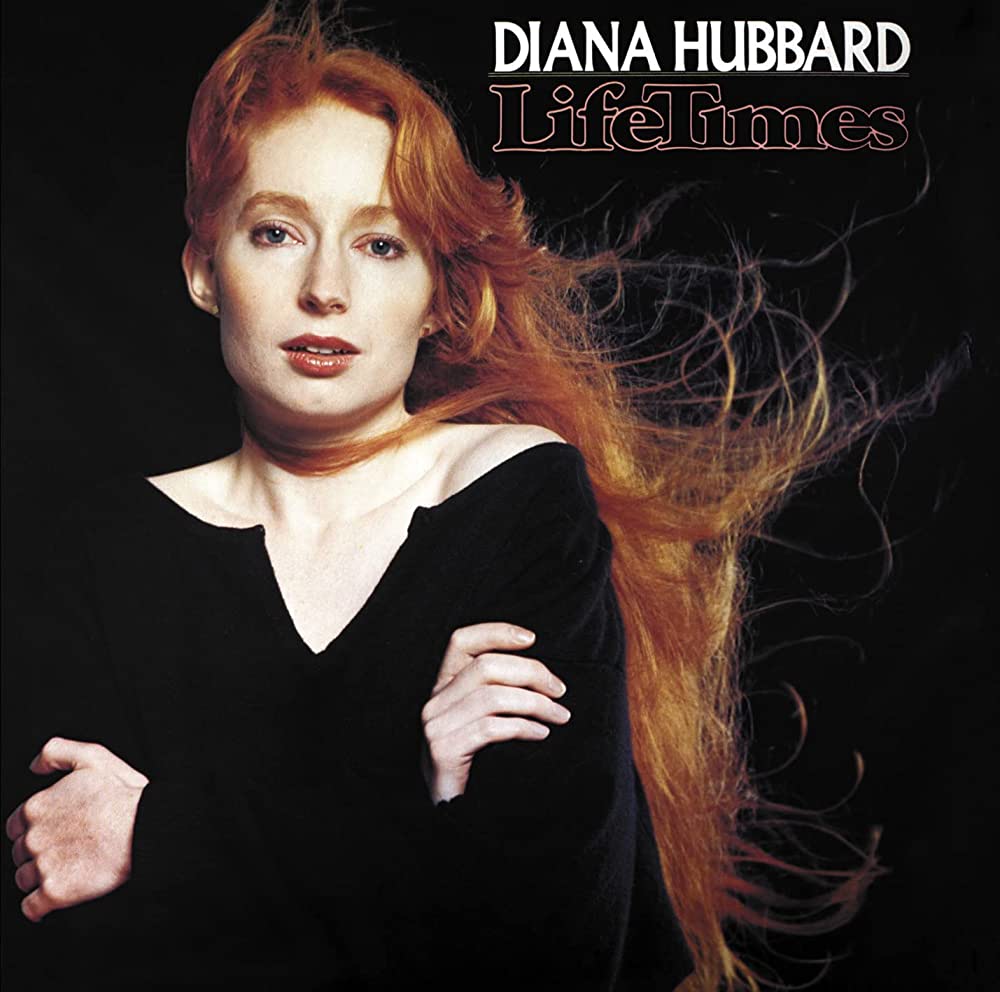
Album of the Week: Diana Hubbard’s LifeTimes (1979)

“music you have felt but not heard” – “Rose Coloured Lights” single cover.

This is one of those “elephant in the room” albums – Diana is L. Ron Hubbard’s daughter. I discovered this album 3 or 4 years ago after reading Lawrence Wright’s Going Clear, a superb deep-dive on the scandolous history of Scientology. When, amongst detailing the Scientology clan’s bizarre adventure as a self-governing ship (literally) in the Mediterranean, it was mentioned that daughter Diana recorded a jazz album with legendary pianist and avowed Scientologist Chick Corea, my interest was piqued.

LifeTimes was released on the small Minneapolis label Waterhouse in 1979, who seem to have released mostly blues rock records, as well as a comedy album, Henny Youngman’s Take My Album, Please! (track #5: “What, No Jewish Jokes?”). The sheltered life of Scientology progeny Diana Hubbard, who went to music conservatory in London before studying Scientology and spending years on the group’s Mediterranean yacht, lends her music the feeling of an alien’s idea of classical or new age music. “Russian Roulette” (ominous track title, no?) is pretty, yet uneasy, with Hubbard’s piano playing sounding both sustained and clunky. The liner notes to LifteTimes contain penned notes describing each song, with this bizarre entry for “Russian Roulette”: “An arch-duke of Russia travelling [sic] across the plains of Siberia, came to a forest. He had known love, wealth, power, pain and the Napoleon Wars. He had done and experienced everything of his day. He plays Russian Roulette and dies in the forest.”

“Bewitched” features some bugged-out synthesizer work from the aforementioned Chick Corea, who just 10 years earlier played electric piano on Bitches Brew. In comparison, a contemporary review of LifeTimes by the Harvard Crimson called it “Dentists’ Office Jazz”. Like most muzak, LifeTimes is directionless and mostly uneventful. It even contains a vaguely-ethnic-sounding track called “Arabia”. But in its meandering sonatas it is strangely successful ambient music, and absolutely uncanny in the context of its creation.

Some may call it dreck, or just plain boring, but I genuinely enjoy this oddity of an album. To my knowledge Diana Hubbard has not released other music, and little is publicly known about her life. I’ll leave you with Hubbard’s handwritten description for the final track, “Midnight #3”: “A sea rippling quietly with the moon. The cliffs tower. Maybe you heard the sirens.”

Listen to LifeTimes here.

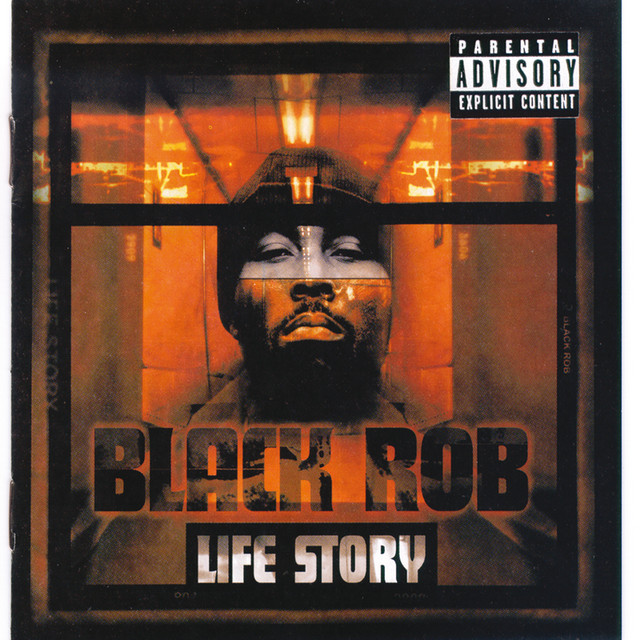
Album of the Week: Black Rob’s Life Story (2000)

I didn’t know much about Black Rob before he passed in 2021, except his song “Can I Live” with The LOX, which has a beautiful beat and finds Styles P fantasizing about “hang-glid[ing] to the Alps with a fly chick”. One of Bad Boy’s most promising artists after Biggie’s passing, Rob was featured on Motown’s “I Want You Back ’98”, a Jackson 5 remix that dropped, strangely, not 30 but 29 years after the original. Why this track was made, I’m not sure, but rapping on a track with (the then-living) Michael Jackson must have been a promising early-career move for Rob.

What followed in 1999 was the recording of Rob’s debut Life Story, including the smash lead single “Whoa!”, which has largely held up well (other than the f-slur). The Buckwild beat is bonkers, and Black Rob sells the single title as a catchall response to anything remarkable. Also worth pointing out is the 8-minute remix with Rah Digga, Beanie Sigel and more. Whoa.

But Life Story is a surprisingly solid front-to-back album. The title track is captivating as a wistful growing-up-in-the-ghetto song (“living in this tenement, eating stale Entenmann’s”). Rob’s character is quickly established: a hard-nosed jailbird who perseveres through life struggles by rapping. Somewhat unexpectedly, CeeLo Green appears as the album’s first rap feature on “Lookin’ at Us”, and he kills it. Sometimes I forgot how good at rapping CeeLo is. Then we have a Bad Boy posse cut with Diddy, Mase and G-Dep on “Down the Line Joint”.

Later on, “B.R.” is some expert noir-rap with gritty rhymes and the beat to match. “Thug Story” is a Slick Rick callback, and “Jasmine” is steel-drum infected storytelling rap. “I Love You Baby” originally appeared on the Puff & The Family album No Way Out (1997), which went 7x Platinum. Things wrap up with some pep on “I Dare You” (that’s after the J-Lo feature). I really like this album. It’s packed to the gills but there is nary a garbage track to be found. God bless Black Rob.

Listen to Life Story here.

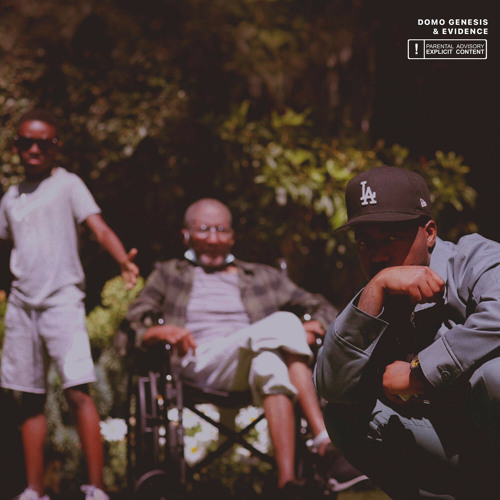
Album of the Week: Domo Genesis & Evidence’s Intros, Outros and Interludes (2022)

This release from two LA-to-the-core hip-hop artists is an overlooked joint project. It’s a merging of two different generations: The 31-year-old Domo Genesis cut his teeth as a member of Tumblr-era phenoms Odd Future, and the 46-year-old Evidence co-founded the group Dilated Peoples in the 90s. What the two have in common is a laidback, uncomplicated approach to rap music. While this trait may have kept both artists from achieving the mainstream success achieved by some of their peers, it rewards listeners as they age with confidence and consistency in their respective outputs.

Evidence and Domo first collaborated on 2017’s “Deez Nuts”, a Domo track produced by Evidence. A year later, Ev rapped on Domo’s “Fuck a Co-Sign”, from his brief yet excellent Arent U Glad Youre U tape. Evidence produced the entirety of last year’s Intros, Outros and Interludes, and his beats are absolutely lush. I find myself playing this album early in the morning as it relaxes me. “Trust the Process” finds Doms riding over a 70s soul sample, his lyrics unadorned observation: “This hash is in my lungs / a bunch of plastic in the ocean”. The sunny “Stay One More Day” sample fades in and out as Evidence proves himself a master beatmaker.

Ev’s one guest verse is smooth: “Drive slow, homie / Like my son is in the car / My summers as a kid in Brooklyn made me to a star”. This is a reference to canon hip-hop (Late Registration), a sly nod to his age, and a reflection on his come-up in one rhyme. Domo follows with “I never had a chance / I lose my life to seek a new one, look we movin’ through the dance”. It’s just two guys ruminating on how they got where they are, but in the context of the album it feels almost like a passing of the torch moment.

The beat on “December Coming” is heavenly, another delicious piece of a brief yet worthy album from two rap devotees. Here’s hoping they team up again.

Listen to Introshere.

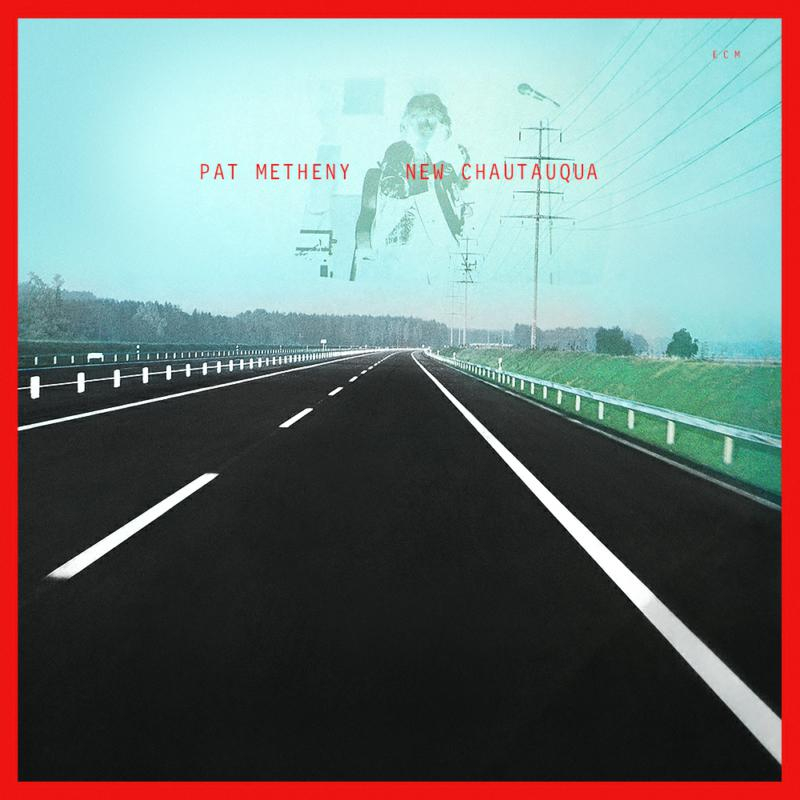
Album of the Week: Pat Metheny’s New Chautauqua (1979)

Here’s an idea: what if Pat Metheny fans were referred to as Meth-heads? Eh? No, sorry, not sure about that one. But the guy does have a devoted fan base. When I saw Metheny in concert (2021), an older couple in line joked to security, “Metal detectors?? But we love Pat Metheny! We would never do anything to hurt him!”

There’s a reason people seek to protect Pat Metheny at all costs. He controls an active legacy dating back almost 50 years to a 1974 recording with Jaco Pastorius, Bruce Ditmas and Paul Bley. Metheny was 19 at the time of the recording, and the album was released in 1976, the same year as Metheny’s proper ECM debut, the trio recording Bright Size Life. Metheny would continue to release strong records for ECM for almost a decade, but his only true solo effort in this bunch is his fourth album, New Chautauqua.

By layering tracks of acoustic and electric guitars, Metheny achieves a strikingly full sound on New Chautauqua by himself. Though the title track is upbeat, the album’s sound as a whole is weightlessly drifting, most notably on the 10 minute “Long Ago Child / Fallen Star”, which reaches a mesmerizing conclusion. It takes almost 7 minutes to get there, but “Fallen Star” is a brilliant oasis, a background of shimmering echoes with soft strings plucking away at the fore.

Chautauqua was a kind of rural educational fair that spread in popularity throughout the U.S. in the late 19th century. What Metheny’s music has to do with it I’m not sure, but I have read somewhere that the album is based on his impressions of New Mexico as a child. After “Fallen Star”, “Hermitage” provides another one of those “oh shit” moments, when the melody drops about a minute in. It’s an easy song to treasure. “Daybreak” rounds things out in a manner fitting its title, as it starts off a slow crawl and rises to a gleaming resolution.

Listen to New Chautauqua here.

Album of the Week: Gene Clark’s White Light (1971)

Gene Clark of The Byrds was not a successful solo artist. He left the band in 1966 after his role as a primary songwriter and rhythm guitarist was significantly diminished. Listening to any of his solo records, it’s clear that his songwriting skills make him deserving of a greater legacy than his contemporary reception as a lesser Byrd member. Rightfully, this attitude seems to have changed with recent critical appraisal of his 1974 masterpiece No Other, which was reissued in 2019 and received a 9.3 rating from Pitchfork. Their review paints a stark picture of Clark’s dire fate: “No money would go to promote the album and No Other tanked, all but ending Clark’s career. One of the most exquisite spiritual seekers in song, Clark was dead by the age of 46, ravaged by alcohol and heroin.”

Clark died in 1991, leaving behind a legacy that was more than just The Byrds and even more than No Other. White Light is an inspired acoustic/folk album that features one of my favorite Clark songs, “One in a Hundred”, which was also released in an alternate arrangement on 1973’s Roadmaster. The song’s lilting melody is matched by its delightfully 70s (read: hippie) lyrics: “Voices of time / bringing surprise / voices that sing in waking moments to look into life’s eyes.” Clark could be epic to a degree nearing overly-maudlin, but at other times was quite direct, such as on the lovely chorus of “Because of You”: “The sun I see only shines for me because of you.”

“For a Spanish Guitar” situates itself somewhere between Townes Van Zandt and Bob Dylan, which is pretty much exactly where you want to be if you’re recording a folk album in the early 70s. It’s a lost classic. Speaking of Dylan, White Light features a great cover of “Tears of Rage”, Dylan’s song that was famously played by The Band, Jerry Garcia Band, and probably 100 other people. Clark’s version features impassioned guitar playing (acoustic and electric!) and organ work that would make Garth Hudson proud.

White Light is so succinct that even though the reissue (the version you’ll find on Spotify) packs it with 5 bonus tracks, it barely passes the 50 minute mark. Imbued with a warmth amplified by the magic of early 70s recording technology, White Light is a classic that I’d recommend to any fan of folk or acoustic music.

Listen to White Light here.

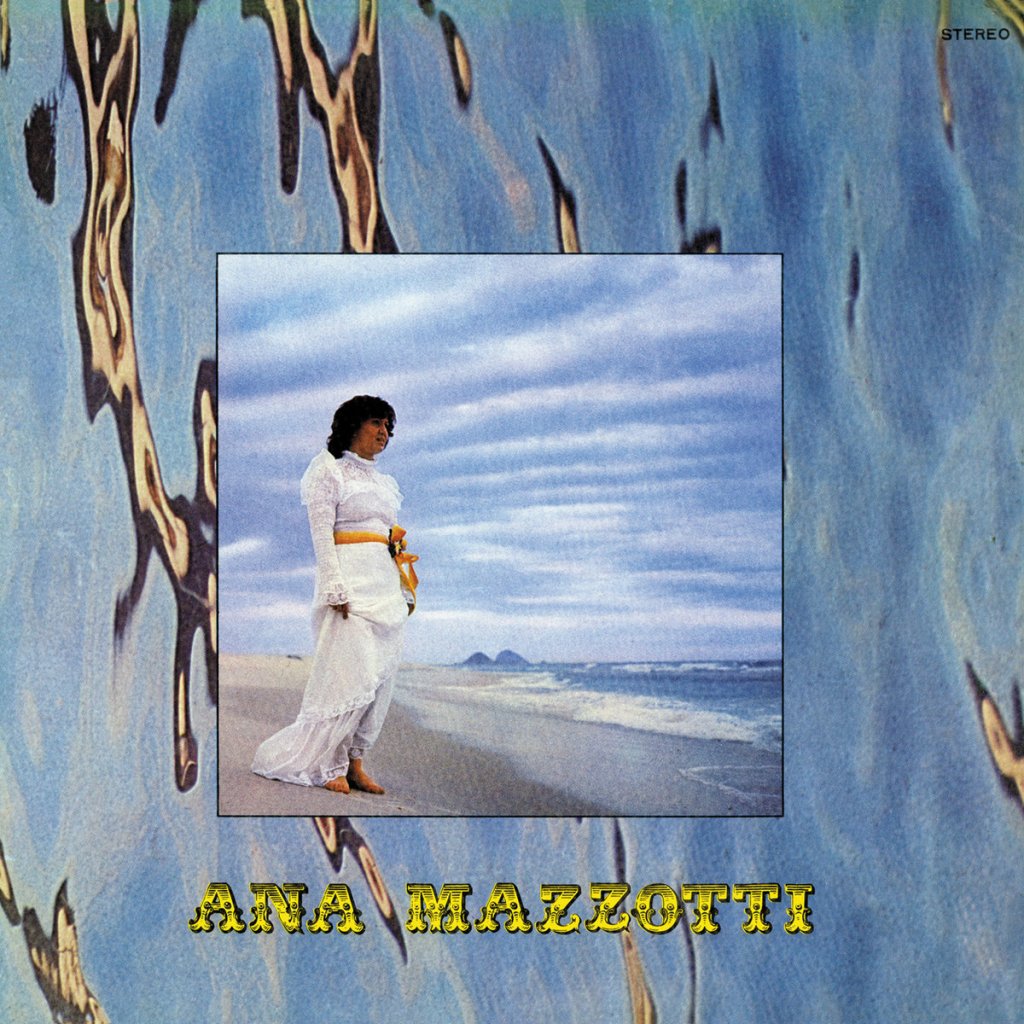
Album of the Week: Ana Mazzotti’s Ninguém Vai Me Segurar (1974)

Brazil in the 60s/70s was, among other things, fertile ground for amazing music. Ana Mazzotti began playing accordion at age 5, before moving to keys and forming a Beatles cover band while still in school. A move from Brazil’s southernmost state of Rio Grande do Sul to the more populated São Paulo found her introduced to Rio de Janeiro’s Azymuth, the fusion/funk band that would play a key role in her music. By 1974, Azymuth keyboardist José Roberto Bertrami was already something of a session wizard, having played with luminaries such as Tim Maia and Marcos Valle. When Mazzotti recorded this, her first album, Bertrami and the Azymuth crew were her backing band.

Ninguém Vai Me Segurar translates to “Nobody will hold me”, which is probably a statement of loneliness but which I prefer to liken to Rick Ross’s refusal to be stopped. Mazzotti’s confident vocals and great songs are only the first layer of the music. Bertrami’s contributions are massive: these synths are FUNKY. “Roda Mundo” features some synth-spazzing that rivals Chick Corea and “Eu Sou Mais Eu” has a particularly funky bounce to it.

I think I discovered this record via “Feel Like Makin’ Love”, a cover of the Roberta Flack song (written by Eugene McDaniels) that served as the title track to the first AOTY I ever posted on this blog. Mazzotti’s version is sampled on Isaiah Rashad’s “Cilvia Demo”, and matches the mellow of Flack’s take. We get a sort of Syreeta vibe on “Acalanto” with its sleepy Sunday atmosphere and Stevie-like synths.

Ana Mazzotti followed Ninguém with a self-titled album in 1977, but unfortunately neither were very commercially successful. Little is known (at least to me) about her last 10-or-so years, and she passed away from cancer early in 1988. Thanks to a 2019 reissue on Far Out Recordings, more is known about Ninguém and it is easy to find and stream, which is fantastic as this album is an absolute delight.

Listen to Ninguém Vai Me Segurar here.

Album of the Week: Phish Live 6/27/2010 at Merriweather Post Pavilion (2010)

I’ve been to Maryland’s Merriweather Post Pavilion exactly once, to see Animal Collective perform for the very first time at the venue they named their seminal 2009 album after (the Centipede Hz-heavy show included just 3 songs from MPP). This was in July 2011, and as a high-schooler I was ecstatic to see my favorite band deliver the goods. I knew almost nothing about Phish at the time except that my dad considered them a shameless Grateful Dead ripoff, and being far from even a Deadhead myself I was in no rush to counter. Phish was a total blindspot.

A decade and change later, Phish is my most listened-to artist (I type this with as much humility as possible). Most “phans” consider the mid-to-late 90s as their peak live era, and I won’t dispute that claim. But for whatever reason, a disproportionate amount of their 2010 shows are available on streaming services. This is one show deserving of attention.

The band’s first two-night stand at Merriweather (there have been seven since) began on Saturday, 6/26/10, with the band notably performing a cover of Neutral Milk Hotel’s “In the Aeroplane Over the Sea”. While I haven’t heard that whole set, the “Aeroplane” indicates the magic in the air at Merriweather that weekend.

Merriweather Post is a beautiful venue with a large outdoor lawn and a summery roof over the stage. A phish.net review sets the scene for 6/27: “The HEAT was bad! Lot’s of humidity, def. could have rained on us but it held back. This actually created a sweaty, half naked crowd that was just waiting to get down.” Sunday night’s show opens with a rare “Walfredo” (one of only two in the past 20 years!), which despite some speaker feedback and a forgotten line signaled a special night ahead with its appearance. A Marley cover (“Mellow Mood”), the evergreen “Divided Sky”, a roaring “Bathtub Gin” and a ripping “Run Like an Antelope” highlight a fun first set.

The second set is where things step into all-killer no-filler territory. “Wilson” starts things off by rocking the engaged crowd before “Meatstick” sends things into funkier territory. One thing about Phish: they are silly. I don’t think everyone will appreciate just how goofy “Meatstick” is, but if you let it take you there, it’s 8 minutes of liquid funk. This jam somehow morphs into the near-metal of “Saw It Again”, which turns into a repeated theme for the rest of the show. This “Saw It” is the first since 2003, and it appropriately fries the brains of the present crowd as it explodes. From the ashes of “Saw It” rises a “Piper” which starts delicately enough before Trey absolutely rips shit on guitar. The cheers are audible around the 11:45 mark when Page finally takes over on organ.

“Ghost” is one of Phish’s all-around best and one of their most consistently played songs (they’ve played it at 2 of the 4 shows I’ve seen) for good reason. On this version, Trey’s got that wet guitar tone and stretches the notes out while the rhythm section churns. In the blink of an eye this “Ghost” turns into the Stones’ “Jumpin’ Jack Flash” (only time ever played!), an unexpected treat, before resolving as a reprisal of the monstrous “Saw It Again”.

“Contact” is a great breather between the climactic “Saw It Again” and the set-ending “You Enjoy Myself”, the most quintessentially Phish-y Phish song. As for the “Fire” encore, it’s an appropriate victory lap given the level they were at on this night. Give it a go and see for yourself.

Listen to 6/27/10 here.