Album of the Week: Presenting Isaac Hayes (1968)

Isaac Hayes was the man before he was the man. At 22, the Tennessee native was playing keys on Otis Redding records and writing songs for Sam & Dave. Fast forward a few years and we arrive at his breakout Hot Buttered Soul (1969), one of those records to end all records, a consummate soul masterpiece. Stand it up next to What’s Goin’ On, Innervisions, what have you. Hot Buttered Soul is a monolith.

But it wasn’t Hayes’ debut. That would be the previous year’s Presenting Isaac Hayes, a surprisingly unknown soul-jazz session that deserves more props. The back-cover details the story of a typical 60s night in Memphis with Big Ike: “A few years back, Isaac strolled into Currie’s Tropicana Club in Memphis and sat in with the group, which included drummer Al Jackson, Jr. He sat down at the piano and began rambling over the keyboard. His offerings were an instant crowd success.” This was the Stax/Volt Records house band, essentially Booker T. & The M.G.s augmented with Isaac Hayes instead of Booker, who was in school at the time.

Presenting finds Hayes on piano and vocals, with the aforementioned Jackson Jr. on drums and Donald “Duck” Dunn on bass guitar. The trio’s Stax sessions for the album were improvised with no additional musicians. I’d love to hear more from these sessions, since the original album with 5 tracks is only half an hour long.

Once you’ve heard the full version of “Precious, Precious”, the album edit doesn’t really work. It’s sort of like if you took a 20-minute Coltrane session and cut it down to 3 minutes. Like its perfect follow-up Hot Buttered Soul, Presenting Isaac Hayes works best outside the confines of radio-friendly time constraints. The longform tracks here are just excellent – “I Just Want to Make Love to You” is raw: the sound is live and intimate, like you’re in the studio with the three players. With alcohol on his breath, Ike has a vocal swagger that pushes the track to the next level. It’s blues, as blue as Willie Dixon’s original, but Hayes’ chops on piano take it to the ever-transcendent realm of soul-jazz.

The “Going to Chicago Blues” track is another rambling wonder, with a fantastic vocal from Hayes at the end of the conjoined “Misty”. The closer “You Don’t Know Like I Know” is one of two Ike originals (though he makes every song his own), and the instrumental piece wouldn’t sound out of place on an Ahmad Jamal Trio record. There’s something in the timbre of the drums here, they’re just so warm and organic. While I wouldn’t mind vocals, it’s a great cut nonetheless.

And then, on streaming and reissue versions, we conclude with the long version of “Precious, Precious”. Wow! Big Ike is feelin’ it here! It’s no wonder he has that top hat and baton on the cover, because this is 20 minutes of magic. Sorry for the corny line, but listen! The man mumbles and wonders, the band carries the driving theme and the music just flows and flows. I love Isaac Hayes wordless vocals, it sounds like he’s making love to the music. Or, as Lil Wayne would say 45 years later, “I just fucked this piano”. Probably another reason they cut it for the first release.

If you like jazzy R&B, soulful jazz, soul-jazz, improvised blues jams or otherwise groovy tunes, don’t hesitate to give this one a spin. It’s an overlooked debut by an underrated master.

Listen to Presenting Isaac Hayes on Spotify.

Album of the Week: Ludacris’s Word of Mouf (2001)

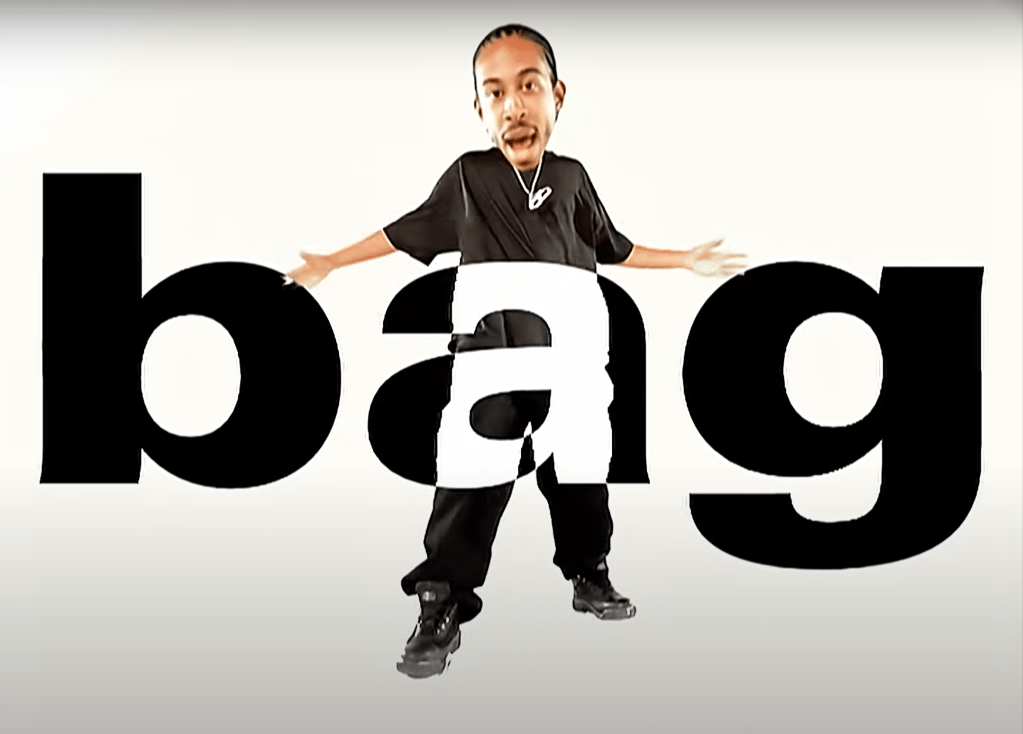
If you’re around my age, this CD cover haunted your childhood. It’s so ridiculous: Ludacris’s meteor-sized fro branching out over his snarling maw, slapped on a bobblehead-body, wad of cash in hand. And that dog, that fucking cartoon dog. The dog’s face is so eye-popping, you might never notice that he’s perched atop a trash can, or that there’s an Atlanta street depicted behind Luda, the city’s evergreen canopy poking out from the blank spaces. Lurking behind this wacky cover is an outstanding album, Luda’s sophomore release and arguably his greatest effort.

Ludacris likes cars. 2 years before co-starring in 2 Fast 2 Furious (2003), Ludacris told an interviewer about his writing process for Word of Mouf, “most of the time I write [while] just driving in the car. When I’m driving alone and I’m listening to my music is where I write most my stuff. It’s usually dangerous because I’m writing and driving at the same time.” This clearly translates to the smash hit single “Move Bitch” – “I’m doin’ 100 on the highway / so if you do the speed limit, get the fuck outta my way!“. This banger (those drums!) was tailor-made for Mystikal, who delights in his absurd delivery (“Hold up wait up shawty ooh aw whazzap…”). While I-20 dilutes the track a little bit, it’s still a classic. Plus, the Wiki page currently contains this incredible description: “In the song, the rapper exhorts a person to move.”

The Nate Dogg assisted “Area Codes” is another classic single. Jazze Pha (Mr. “1, 2 Step”, if you didn’t know) provides the perfect laid-back groove for Luda and Nate to slide on. No less than 43 area codes are name-dropped (shoutout to the 215) and thanks to Wikipedia you can see a complete list of them. Years later Luda would reflect, “The song could only be but so… long. And yes, there are many area codes that I wish I could’ve put in there. However, I tried to get the ones that were as honest to the actual hoes I had in those area codes as possible.” Honesty!

And then there’s “Rollout”. A Timbaland production both brash and glittery allows Luda to be as pompous as he wants, lyrically predating the barrage of media questions on Drake’s “HYFR” by about a decade. On the note of production, the lineup throughout this disc is stacked, with major contributions from Organized Noise and, perhaps most notably, a young Bangladesh. The producer who would go on to make Weezy’s “A Milli” has 5(!) contributions here. I particularly love the deep cut “Freaky Thangs”, with an exceptional chemistry between Ludacris and Twist. Cris matches Twista’s signature triplicate flow with both rappers in peak form, (also, both are Chicago natives). It’s a fitting follow-up to the classic “What’s Your Fantasy”.

“Growing Pains” is also incredible. A collective reminiscence on growing up in the 80s, Lil Fate and Ludacris detail the toys they played with, clothes they wore, dreams dreamt and friendships forged. It’s a track with refreshing emotional depth amidst lots of (effective) bravado and sex raps. “Cold Outside” has weight to it too, with a relatable refrain: “I’m hidin’ out and smokin’ herb / Cause my boss is gettin’ on my motherfuckin’ nerves / but I gotta take it, cause it’s cold outside”.

Jermaine Dupri’s “Welcome to Atlanta” serves as a victory lap of a bonus track. At this point in the album, Ludacris has proven himself a multi-faceted talent with humor, vulnerability and technical skill in spades. Throughout the next decade he would remain a tried-and-true hitmaker, as inescapable as any other rapper on the radio. It’s been 6 years since he released an album, and the 43-year old seems content to sit back and enjoy the fruits of his labor, deservedly so. On Word of Mouf, you can hear him transitioning from local phenom to superstar, and the sound is sweet.

Listen to Word of Mouf here.

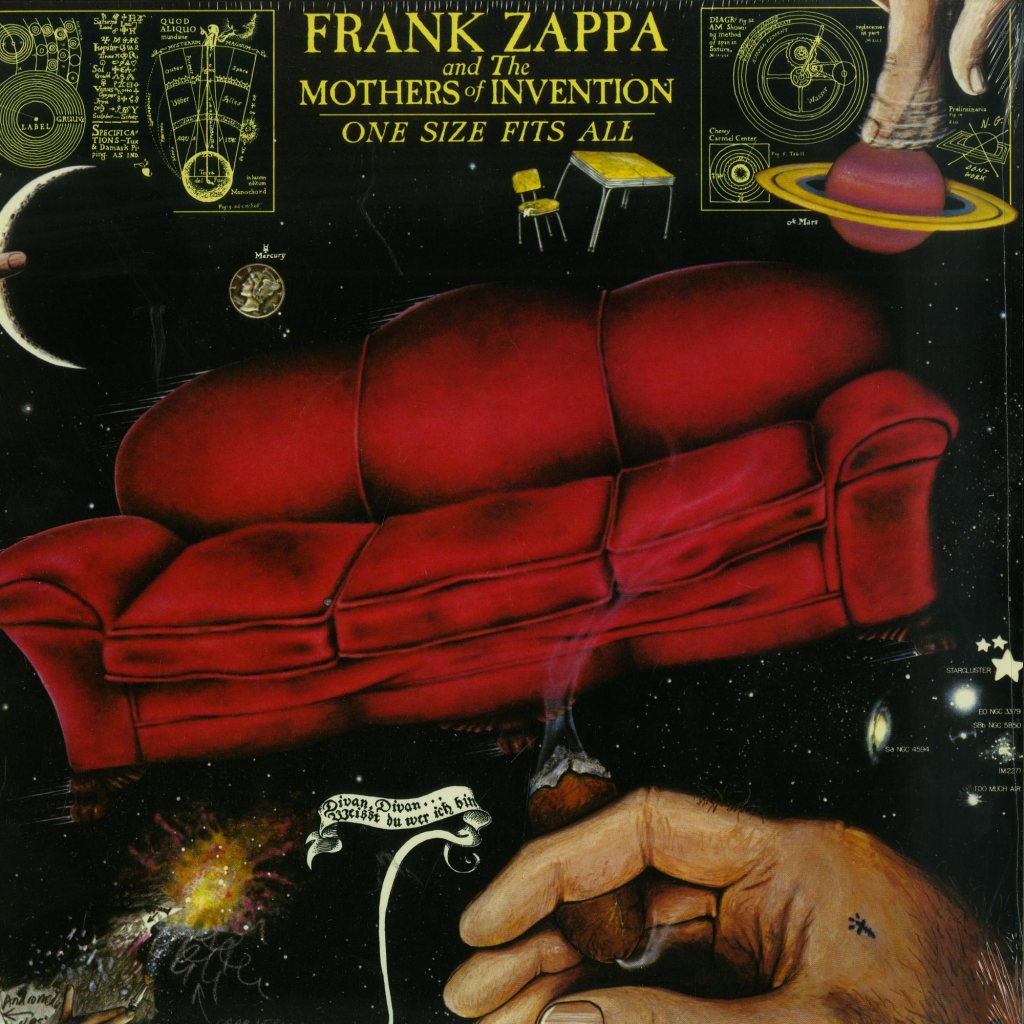
Album of the Week: Frank Zappa and the Mothers of Inventions’ One Size Fits All (1975)

The prolific Frank Zappa did enough musically to accumulate the kind of cult following that sees continued interest decades after his death – It’s only been half a year since the release of the Zappa feature-length documentary. While I haven’t seen it yet, I do consider myself a fan, albeit more selective than the kind of superfans who can rank 25+ Zappa releases.

Rather than the breakout Mothers of Invention records of the 60s (like Freak Out! or We’re Only in It for the Money), I am partial to Zappa’s 70s output. One Size Fits All is a particular favorite, and this is largely because of two words: George Duke.

George Duke was a pioneer in jazz-fusion, disco, pop, and whatever the hell kind of music Zappa made (occasionally a mix of all three). While his solo albums are incredible in their own right, Duke repeatedly excelled as a session musician and sideman. He played keys on such classic records as disparate as Tom Waits’ Blue Valentine and Michael Jackson’s Off the Wall. Duke collaborated with Zappa throughout the 70s, and One Size Fits All represents a peak in their musical union.

For better or for worse, this is one of those albums that starts off with its best song. Duke’s lead vocals and Farfisa get “Inca Roads” off to a rollicking start, and then two minutes in the song transmutes itself into a Zappa guitar jam as groovy as the work of Jerry Garcia. The late Duke once told an interviewer that he didn’t even want to sing, but he did so at Zappa’s request. That’s a good band member! He further described the recording process: “Well, One Size Fits All and Apostrophe, those albums were basically me and Frank in the studio for hours! I mean, it was just us, and the engineer carrying the amp. We would be there at Paramount Recording Studios, or wherever, just recording like from 1 or 2 in the afternoon, until 5 or 6 in the morning.”

“Po-Jama People” is another showcase for Zappa’s guitar work. I don’t know what he’s talking about in the vocal verses, but that guy sure could rip. Zappa had this ability to make these stupid fucking lyrics that are really fun to sing along to: “She lives in Movaje in a winnebagoooo!” The ridiculous “Florentine Pogen” is as much about a cookie as it is a person.

Johnny “Guitar” Watson (Mr. “Superman Lover”) adds another dimension to a couple of tracks in the back half here. He assists on the rocking “San Ber’dino” and croons on “Andy”, which along with “Inca Roads” is the other mini-masterpiece of the album. Once again, Duke does his thing and Zappa shreds. Those Duke vocals just get me every time (see also – “Sofa No. 2”).

For my money, One Size Fits All is about as good and concise a Zappa album as you’ll get. If you can handle the trademark silliness and cartoonish marimba rolls, you’ll be jammin’ like it’s 1975.

Listen to One Size Fits All here.

Album of the Week: This Mortal Coil’s Blood (1991)

If you love the 4AD sound anywhere near as much as I do, then you truly cannot go wrong with This Mortal Coil. Essentially the label’s in-house cover band, TMC formed in 1983 under the aegis of label president Ivo Watts-Russell (the namesake of Cocteau Twins’ classic “Ivo”).

One of their first songs as This Mortal Coil (and still their most popular) was the Cocteau’s (or 2/3, Liz Fraser and Robin Guthrie) take on Tim Buckley’s “Song to the Siren”. Its popularity is really a no-brainer – a straight-up gorgeous track with one of the inimitable Fraser’s all-time vocal performances, “Siren” was used to great effect in David Lynch’s Lost Highway. He intended to use it even earlier for Blue Velvet, but that proved too expensive.

Although TMC’s “Siren”-containing debut It’ll All End in Tears is their go-to classic, this week I’ll be focusing on their last record, 1991’s double-album Blood, which is nothing to sneeze at. No Cocteau kids to be found here, but there’s no lack of talent: This Vulture article likened TMC to “a dream-pop version of Rick Ross’s Maybach Music Group”. Amazing.

The late Caroline Crawley of Shelleyan Orphan starts things off, breezing through the TMC original “Lacemaker” and owning it on their version of The Apartments’ “Mr. Somewhere”. If you’re going to check out one track from Blood, though, make it “You and Your Sister”. Holy shit this song is good! Written by Chris Bell of Big Star for his excellent solo album I Am the Cosmos (the title-track is also covered on Blood), it is masterfully interpreted by The Breeders’ Kim Deal and Tanya Donelly. With its heart-on-sleeve directness and honey-sweet vocals, this one even eclipses the great original version, and rivals “Song to the Siren” as the best TMC track.

Elsewhere, “Bitter” is a whirlwind mix of guitar solos, Colourbox-like sampling and lush vocals. “Several Times”, a standout from the lost ambient classic Sleeps With the Fishes, is included here with vocals and lyrics, a welcome update to a key 4AD instrumental. Oh, and back to that Colourbox-like sampling I just mentioned. It is very dated and not very good, which is why nobody knows about Colourbox. Take “The Lacemaker II”: why are there samples of a barking dog in it? And “Ruddy & Wretched” is about as good as its title implies. Safe to say the best TMC songs are rarely instrumentals.

On the whole though, the production stands the test of time. I’ve mentioned before (probably too many times) how I love drum-less music, and most of Blood is like this: straight atmosphere. “Late Night” is a Syd Barrett song suspended in air. “Inside me I feel / Alone and unreal”. No doubt. The country classic “Til’ I Gain Control Again” is a deep-cut tearjerker, helping to round out the back half.

Like most-double albums, Blood might be better if you pared it down to its best songs. But If you’re in no hurry, it’s one to get lost in.

Listen to Blood here.

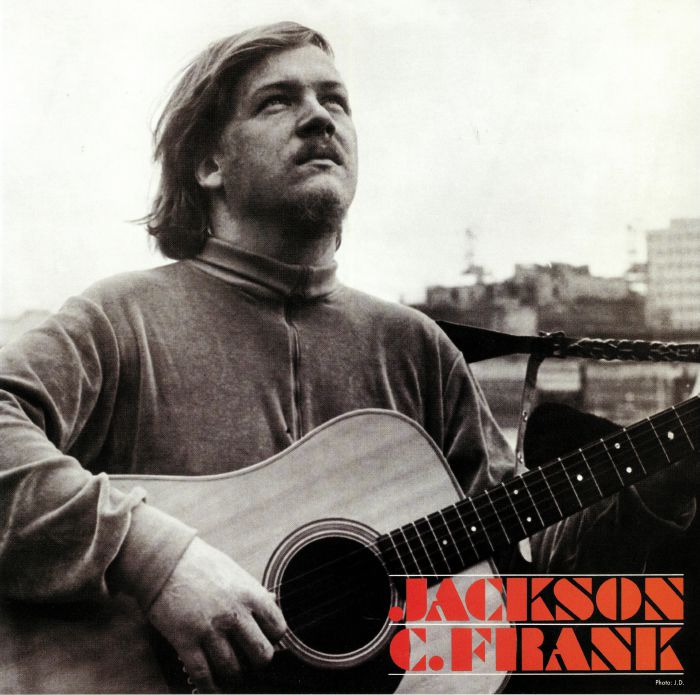
Album of the Week: Jackson C. Frank’s S/T (AKA Blues Run the Game) (1965)

When times are tough, you can be thankful that you’re not Jackson C. Frank. I think I found out about the late folk-singer’s story in a RYM thread titled something like “Which musician had the worst life?”

Here’s a rundown: As a child in suburban Buffalo, NY, the young Frank survived a school explosion in which his friends and girlfriend died and he himself suffered severe burns that would cause lifelong injuries. After modest success from his debut, his mental health began to unravel. He married and his young son died of cystic fibrosis. He later became destitute and sick, occasionally sleeping on the streets of New York City. Sitting on a bench in Queens, he was shot in the eye by kids with a pellet gun and blinded. In 1999, he died of pneumonia in Massachusetts at the age of 56, poor, alone and unknown.

Fortunately for us, Frank’s only studio album is not quite as depressing as his life story. The blues are present, sure, but from the opener “Blues Run the Game” you can hear a sweetness in his voice, melodies and strumming. The talent is palpable. Apparently Frank was quite shy about singing around anyone, including his producer Paul Simon (yes, that Paul Simon). It’s not difficult to assume he was traumatized by his childhood. Which is a shame, not just for obvious psychological reasons, but because he had a great range and was more than able to carry a tune. “Here Come the Blues” is as righteous a blues song as one written by the great masters of the American south.

The second half of Frank’s album is even stronger than the A-side. The fingerpicking of “Milk and Honey” was atmospheric enough to be sampled on rapper Nas’s appropriately depressing “Undying Love”. This ballad was also covered by such folk luminaries as Bonnie Dobson, Sandy Denny (who dated Frank for a time) and Nick Drake (who recorded several Frank songs before his own death). “My Name is Carnival” has the mystical folk vibe of a group like Pentangle. “You Never Wanted Me” is a bittersweet closer, perhaps more upbeat than you might expect from the title.

On the reissue/streaming version we get some interesting bonus tracks. “Marlene”, a tribute to his childhood girlfriend who died in their school fire, is achingly beautiful and personal. One need only listen to the lyrics to get an idea of the singer’s pain. Some of the other songs are poorly recorded or preserved, as you can hear the tape messing up in “The Visit” and “Prima Donna of Swans”, but for me this is an endearing quality. It is unclear to me when the songs were recorded, but what is clear is that Jackson C. Frank could have made another great album with the proper variables permitting.

A French documentary film, Blues Run the Game – The Strange Tale of Jackson C. Frank, is currently in post-production. You can see an excerpt of it on Youtube here (it is quite sad).

Listen to Jackson C. Frank here.

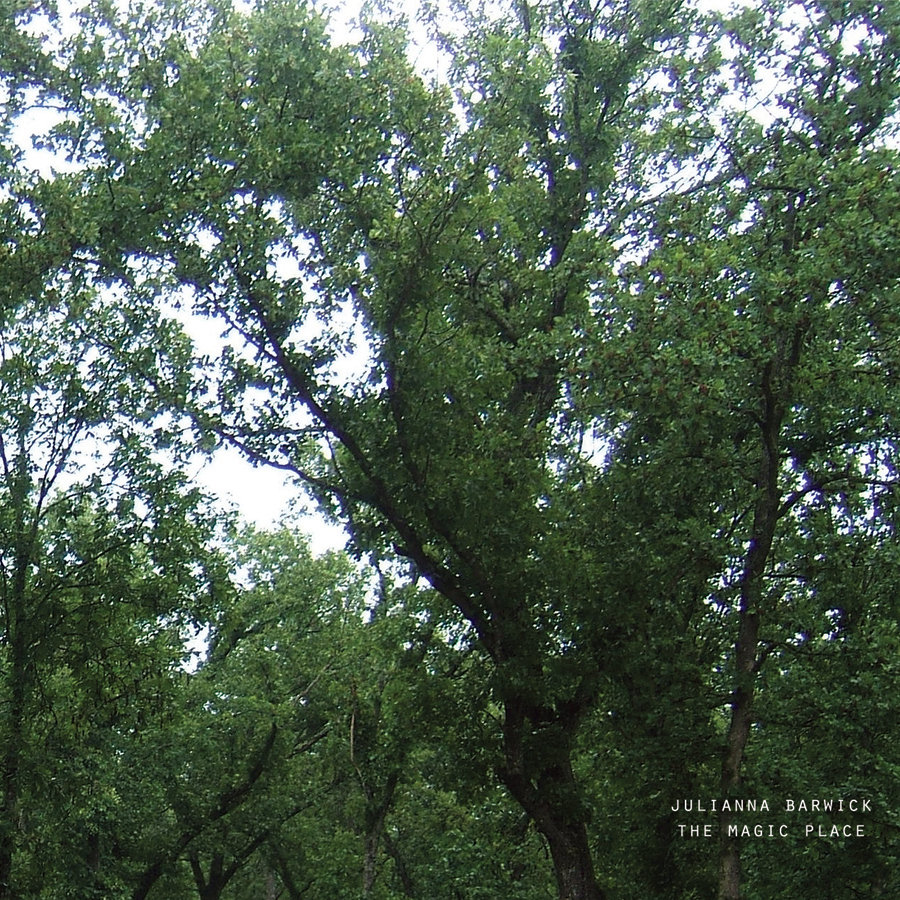
Album of the Week: Julianna Barwick’s The Magic Place (2011)

“I feel big, you know what I mean? Like, not big in the sense of weight, like, gaining weight or nothin’ like that. Like colossal.”

***

I guess I can believe it’s been 10 years, especially because the last one has felt so long. Still, Julianna Barwick’s debut feels big, which is all the more impressive considering how little equipment went into its recording. Here, it’s just her multi-tracked vocals and one or two instruments added in.

With hardly any discernible lyrics and a consistent, tried-and-true approach, Barwick’s music can be difficult to write about. Wyndham Wallace of The Quietus admitted as much, writing that “Critics have fallen over themselves to conjure up grand metaphors that encapsulate the experience” of her music. There have been comparisons to Enya, Eno, Cocteau Twins, and any other classic music so often described as “ethereal”. But really, it’s not that deep. Barwick described herself as “a pretty happy, easy-going person who is really excited about life.”

By her own account, Barwick always loved to sing. And so, by simply improvising vocal lines and layering the .wav files in GarageBand, she made her breakthrough album. There’s a good video from the Magic Place era that shows her doing it:

It’s not hard to reason why Barwick has named her albums The Magic Place, Nepenthe (“that which chases away sorrow”), or Healing Is a Miracle. There is peace in her music. “White Flag” was always my favorite, and it’s kind of hard to describe without sounding corny (like the gates of heaven opening?) I will say that early 2011 was not a particularly great time in my life and this was music like I’d never heard before, simultaneously calming and exhilarating. Back then, Asthmatic Kitty wrote that “Bob in Your Gait” “sounds the way humans should treat one another.” In a much more recent interview, Julianna said, “I’ve heard from a lot of people that The Magic Place in particular has gotten a lot of people through some dark times in their life, so I’m really glad for that. That makes me feel really good…” You can add me to that list!

I like everything she’s done, and the extended versions of Healing Is a Miracle from last year really blew me away. But it’s hard for me to find any faults in The Magic Place. Even its sequencing is flawless. “Envelop” starts the record off by doing just that, drawing the listener in. “Flown” is a perfect conclusion, like lying down in bed at the end of a gratifying day. I’ve been a fan since this release and Julianna Barwick’s music is a treasure. Hopefully someday I’ll be able to see her perform live.

Check out The Magic Place on Spotify.

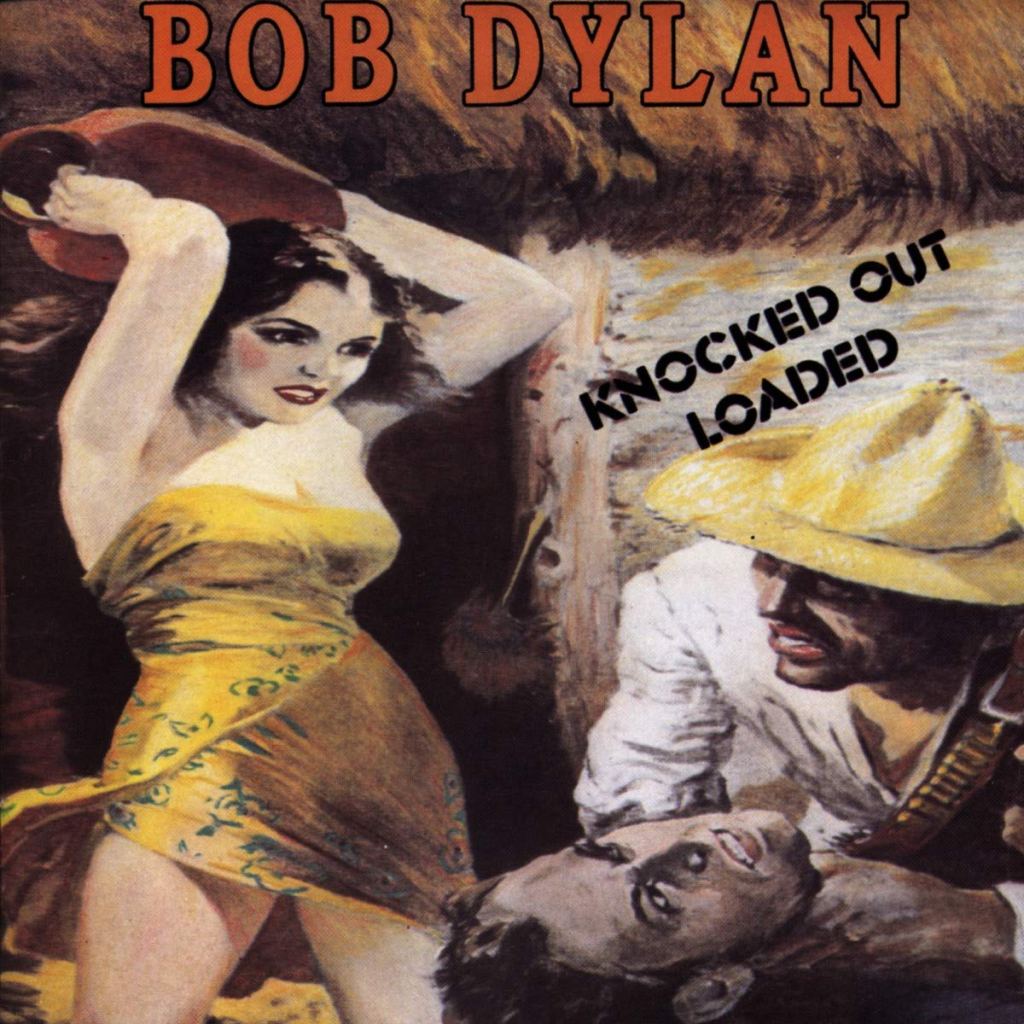
Album of the Week: Bob Dylan’s Knocked Out Loaded (1986)

“Ultimately a depressing affair…” –Rolling Stone

“About the only thing it did for Dylan’s career was enhance its decline.” –Warehouse Eyes

“They originally had a photographer shoot some photos of Dylan and Tom Petty. I heard Dylan took a look and threw them all in the trash.” –Charles Sappington, cover art

“Some really abysmal shit here… Avoid .” –RYM user garfieldacres

“A near-flawless work which remains very misunderstood. I have a website discussing this album if you’re interested…” –RYM user burritobroth

If you get really into Bob Dylan, and I mean really into Dylan, you’re eventually going to wade into the darker, more-forgotten corners of his discography. 2020 quarantine provided the ideal setting for a relative neophyte like myself to make this deep dive. With all the time in the world to sit on the couch last Spring, I watched No Direction Home, Rolling Thunder Revue and The Last Waltz, and on any given day was listening to John Wesley Harding, Blood on the Tracks outtakes, or 1997’s “Highlands”.

I’m not going to deny what’s already well-known: 80s Dylan is the worst Dylan. He had his confounding Christian phase, questionable reggae endeavors, and the much-derided Dylan & the Dead, a compilation of his tour with the Grateful Dead for which “Dylan willfully insisted on some songs from very inferior shows”. But when you really venerate Dylan, there are gems to be found even here.

This brings us to Knocked Out Loaded. Essentially a tossed-together collection of rejects from the previous year’s (already mediocre) Empire Burlesque released in time to support his tour with Tom Petty, I doubt this album won Dylan many new fans at the time of its release and its negative reception is no mystery. One problem often cited in reviews of this record is the production. Bob is quoted around this time as saying, “I’m not too experienced at having records sound good. I don’t know how to go about doing that.” You can hear the results especially on “Driftin’ Too Far from Shore”: the drums sound like crap; the synths and background singers do not gel with the rest of the mix at all.

That said, I do like about half the songs on here. And that’s most of the album, considering one of those is the 11-minute fan favorite “Brownsville Girl”, which Dylan noted as one of his most under-appreciated songs in a great 2017 interview. It’s a classic, rambling Dylan epic. One could probably criticize it as overlong, but the melody in the verses is just too damn good.

“Precious Memories” is a return to the reggae-Dylan (or as I like to call it, Robert “Nesta” Zimmerman) of Infidels, but I like it. It’s not hard to find a bridge between this one and the gospel-like classic “I Shall Be Released” (of which reggae legend Keith Hudson recorded a sick cover on one of his best albums). “Got My Mind Made Up” is a decent blues-rock track, and the closer “Under Your Spell” is a successful ballad.

It’s probably a good thing that Knocked Out Loaded only lasts a half hour, but I don’t think it’s as bad as many make it out to be. For my money it’s a step above Empire Burlesque, which Robert Christgau called “his best album since Blood on the Tracks” (had this guy heard Desire??). Ultimately, it’s a record that shows an equal share of the good, the bad, and the (unmistakably, indisputably) Dylan.

Listen to Knocked Out Loaded here.

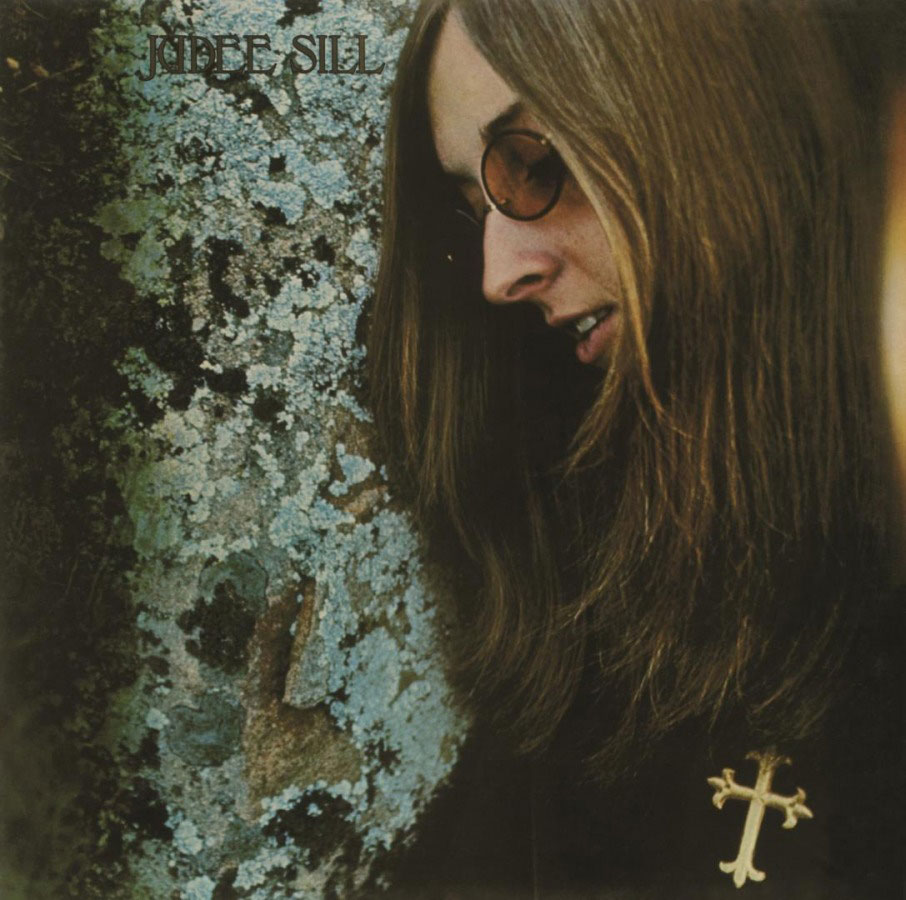
Album of the Week: Judee Sill (1971)

Spring is a time for Spring things. Things returning, birth, rebirth, growing, flowers, trees, strings and stings. A small picnic in a big park. A nice time in the great outdoors. Plants and fruit. Passover arrived and we ate eggs (which are the most Spring food). Today is Easter. I walked off a bus down ten blocks east to my apartment where my new cat sat waiting. His eyes widened at “The Lamb Ran Away with the Crown”.

Judee Sill’s self-titled debut is as Californian and psychedelic as the Grateful Dead’s American Beauty (1970). Since I’ve mostly been playing the Dead lately, it’s an easy jump to Sill, whose harmonious hippie-folk is an unbeatable soundtrack for ringing in the springtime. Breezy and bright, her songs can stand up to just about anyone who was doing the folk singer thing in the early 70s – and there were many! Her style is soft but steady, imbued with the kind of intimate Christian philosophy that only a sinner can possess. The characters in her tales turn away from darkness and enter the light. And you can feel the light, the warmth.

It seems Sill was not successful in her time. Though she died at a young age, her music is not forgotten at all. I’m sure she has more fans today than ever before, and you can count myself and maybe yourself in that group of those who have been touched by her celestial voice and cosmic music.

Listen to Judee Sill here.

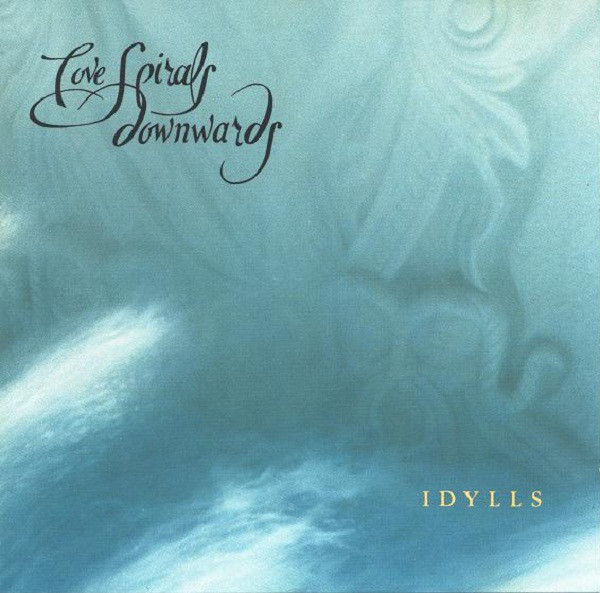
Album of the Week: Love Spirals Downwards’ Idylls (1992)

It’s no big secret that Cocteau Twins are my favorite band, and this has been the case since high school. They have had their share of imitators, contemporaries and comrades over the years, but one album that really struck me in my initial obsessive Cocteau phase was Idylls. The comparisons are too easy: the phaser guitar, the female glossolalia, the drum machines. I’d venture to say it’s less varied than even the simplest Cocteau efforts, and that I think helped me sink into it back then.

Like many teens I smoked a lot of pot and that is the prime association here. I think more than any Cocteau album I paired Idylls with the hazy balm of weed smoke in an effort to, at least temporarily, rise above the bullshit that hounded my 17-year-old existence. And it worked. This is truly one to spark up and bliss out to.

Listening to it today, sober, it’s still outstanding to me. Give me some conga drums, early 90s atmosphere and a woman singing “sayyylaalooohah soooheyyyaahh”. Hell yeah. I imagine a lot of people find it boring. It certainly lacks the melodrama of say, Dead Can Dance, or the emotional heft of The Cure, not to mention the best melodies of Cocteau Twins. I would also call it front-loaded, with “Illusory Me” and “Love’s Labor Lost” as the key standouts – although the closer “And the Wood Comes Into Leaf” is tight too! Those Cocteaus always had killer closing tracks, just to bring up another parallel.

I never made it far past this one (their debut) in the LSD (heh) discography. I remember buying Flux (1998) on CD years ago but not being very moved. It had some electronic influences that in my mind connect with Slowdive’s Pygmalion – a great record! So perhaps it’s worth revisiting. The guy (Ryan Lum) is now a politician in Long Beach, or has at least attempted such a career. He still makes music as Lovespirals. The LSD discog wasn’t streaming for years, but now you can check it out in all its remastered glory. For a fan of shoegaze, dream-pop, and/or especially Cocteau Twins, Idylls is an album worth getting lost in.

Listen to Idylls on Spotify.

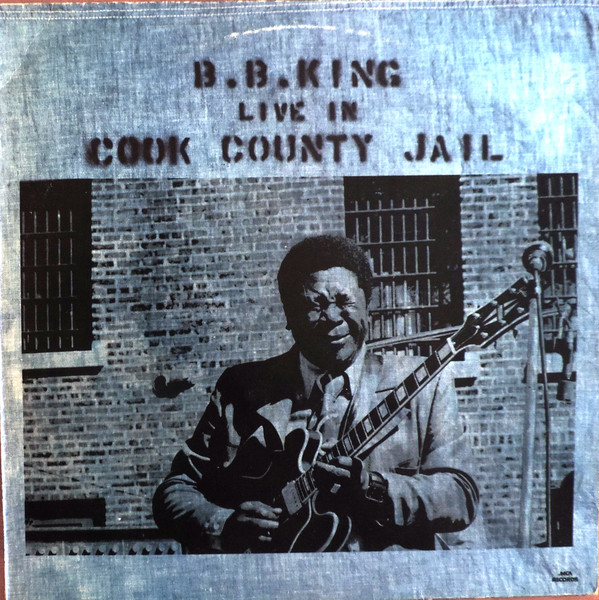
Album of the Week: B.B. King’s Live in Cook County Jail (1971)

I was a pretentious music nerd as a young age, collecting records and correcting those who got their facts wrong by the start of high school. This got me in the most trouble when my French teacher made an aside about “Stand By Me” being a great song by B.B. King. I quickly corrected her – “Stand By Me” is, of course, by Ben E. King – so rudely that she kicked me out into the hallway in front of the entire class.

Hopefully my behavior is less contemptible now, but for years this was my only real knowledge of B.B. King – he was the guy who didn’t make “Stand By Me”. Well, what did he do? Blues, presumably. But the only CD of his I frequently saw in stores and my stepdad’s collection was 2000’s Riding with the King, an album whose cover art practically screams “We, the makers of this album, are over 50 years old, and to enjoy it you should be too.” Riding with the King is probably his most successful album, but if this were that Drake meme format I would wave it away with one hand and then point happily to Live in Cook County Jail. This shit is smokin’ hot.

Yes, Johnny Cash did it first, with At Folsom Prison for Columbia almost three years earlier. That album was a hit, and presumably encouraged ABC to get excited about the opportunity to record King doing the very same. As the story goes, one (or more) of the wardens at Cook County Jail in Chicago reached out to King in 1970 and the performance was arranged in September. Cook County was not the place you wanted to be and I’m sure it still isn’t. Today it has one of the largest inmate populations in America at about 10,000 (In 1970 the inmate population was closer to 2000) and it has a nasty history of racism, violence and injustice. You couldn’t get me do a week’s time there if I knew Frank Ocean and the ghost of Jerry Garcia were playing a double-header for the inmates. Before his performance King walked around the site before the show and, according to The Independent, “his experience at the jail affected him profoundly.” I’m sure his empathy for the inmates inspired him to give them a damn good show, and today it remains a treat for us listeners.

After a staff member’s introduction in which the wardens are hilariously booed by the inmates, King starts off with the uptempo “Everyday I Have the Blues”. He was reportedly nervous, which may explain why this track is so fast. Thankfully, things slow down after that and we get into the best run of the album. “How Blue Can You Get?” and “Worry, Worry, Worry” are both absolute show-stoppers. King somehow manages to play the role of tortured blues singer, electric guitar god and standup comedian all at once. Listen to the pain in his voice when he cries “I gave you seven children / And now you wanna give ’em back!” That’s the blues, baby! On both tracks, he shreds his Gibson “Lucille” for a few minutes and then switches into master storyteller mode. The encouragement of the crowd’s hollers, laughter and applause really fuels both King and the backing band. It’s pure magic.

On the second side King slides into a more relaxed groove where he plays some older hits because, in his words, “I think a lot of the things we let go sometimes are the things we cherish most later on.” You might not want to cover “Sweet Sixteen” today, but it’s a crowd favorite here and a late highlight of the set. He gets cookin’ towards the end of his big hit “The Thrill Is Gone” as well. The last track, “Please Accept My Love”, cuts quickly to an end-of-set fanfare, and I have to imagine that some of the set was edited for album release. It would be fun if we could get an unabridged version like At Folsom Prison got in 2008. As it stands though, Live at Cook County Jail is a concise and remarkable recording.

Listen to Live at Cook County Jail here.