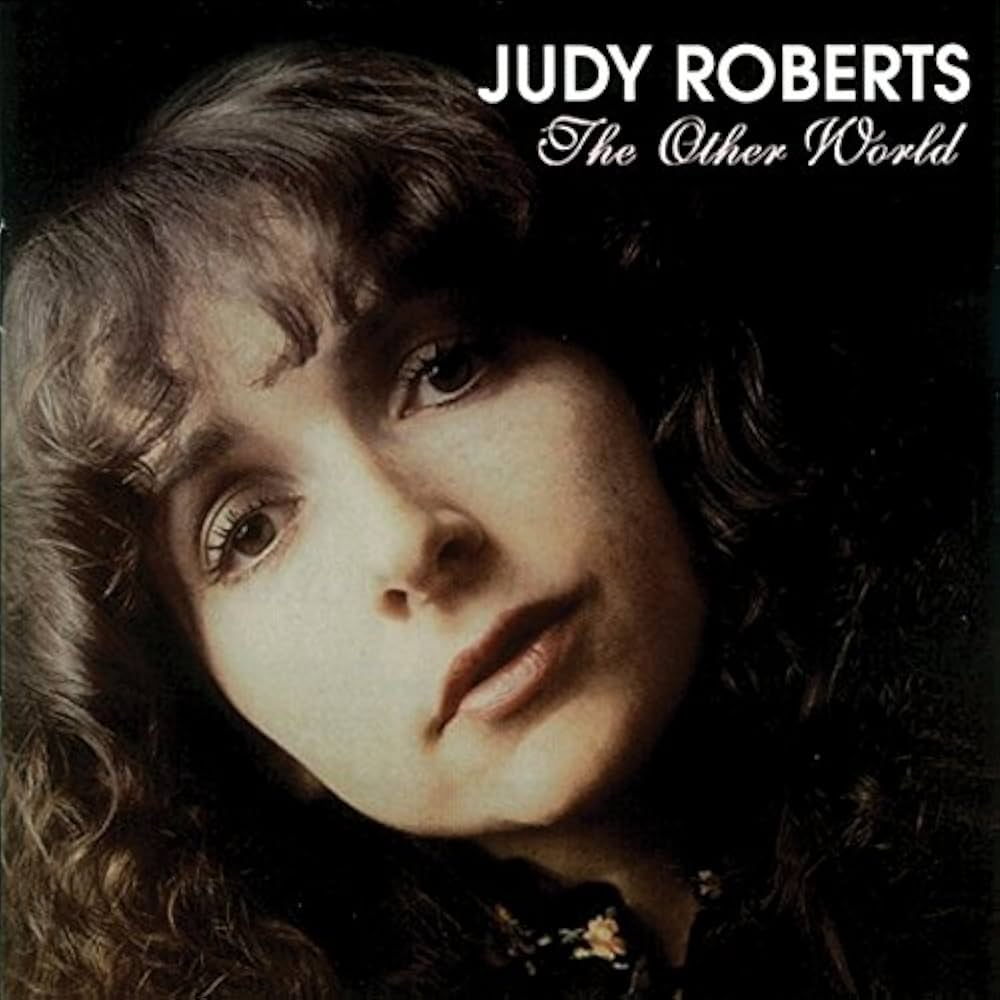
Album of the Week: Judy Roberts’ The Other World (1980)

Schmaltzy groove, thy name is Judy. One of those scrappy used vinyl bin records that blows you away, The Other World has a dated quality. From the scat-singing, to the cursed funk bass (check out “The Roadrunner”), to the old-school synths, The Other World is, like peak Steely Dan or Weather Report, a product of the late 70s through and through. Playing frequently in jazz clubs around Chicago since the 70s, Judy Roberts arranged these tracks, sang, and played piano and synths on this, her second album.

As I mentioned, there is a fair amount of dodo-dada scatting on The Other World, which may filter out the squeamish. This works best on the incredible title-track, which hits somewhere between disco and The Hissing of Summer Lawns. Roberts’ high-pitched ba-be-das are the perfect ending for this banger of a song (one heck of a guitar solo in here as well). Later, “It’s Always 4 A.M.” may be The Other World‘s sweetest moment, a soft ballad that allows Roberts to lean into her lounge singer act with great results. Leon Russell’s “Rainbow in Your Eyes” is given the hyper-samba treatment. After sing-talking in her Yapanese, Roberts bobbles the keys around like a hot potato. It’s sick.

The record ends in true jazz-nerd fashion with a take on “Round Midnight”. A straightforward cover, it puts a classy touch on the end of an occasionally silly record. Still, I happen to be the kind of person that The Other World‘s mix of vocal jazz and yacht rock was made for, so I love it.

Listen to The Other World here.
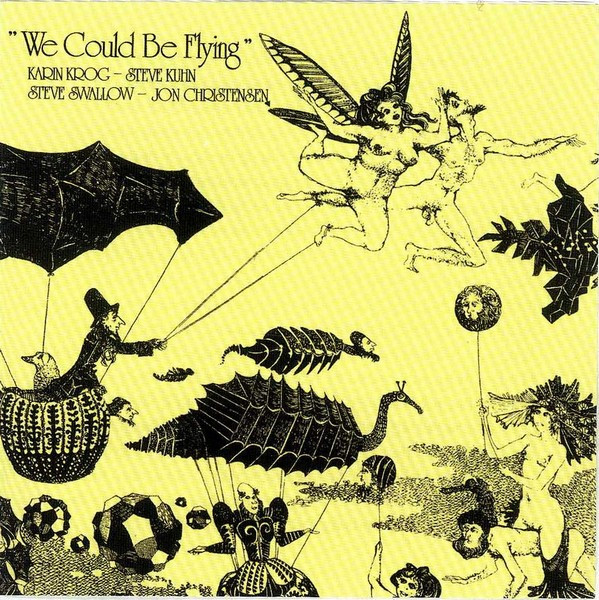
Album of the Week: Karin Krog’s We Could Be Flying (1974)

Oslo’s Karin Krog studied singing under Anne Brown, an American expat for whom George Gershwin wrote the music of Bess in Porgy and Bess. In 1964 she released her debut By Myself, which is the first female Norwegian vocal jazz record. Krog’s singing is lounge in presentation, but she has a masterful control of voice. When she really opens up two-and-a-half minutes into We Could Be Flying, you start to get a feel for her strength. And this is immediately followed by an instrumental vamp which speaks to the collaborative effort of this album.

Steve Kuhn, the American pianist who appeared on Pete La Roca’s classic Blue Note album Basra (1965), was living in Sweden at the time of this recording. He joins Krog here along with bassist Steve Swallow (also featured on Basra) and drummer Jon Christensen, who frequently recorded for the ECM label. Christensen really shines on “The Meaning of Love”, an early standout. This track has all the right kinds of space to it. Once again, Krog takes some pauses between her lines and the rest of the band stretches out.

The band does justice to Joni Mitchell’s “All I Want”, Krog’s delivery with more of a sly grin than Joni’s cracking despair. “Sing Me Softly of the Blues” (co-written by Carla Bley) has that old rainy Sunday in NYC vibe, mellow and jazzy – just the way I like it! The album closes with two Kuhn originals, the bass-driven “Hold Out Your Hand” and “Time to Go”.

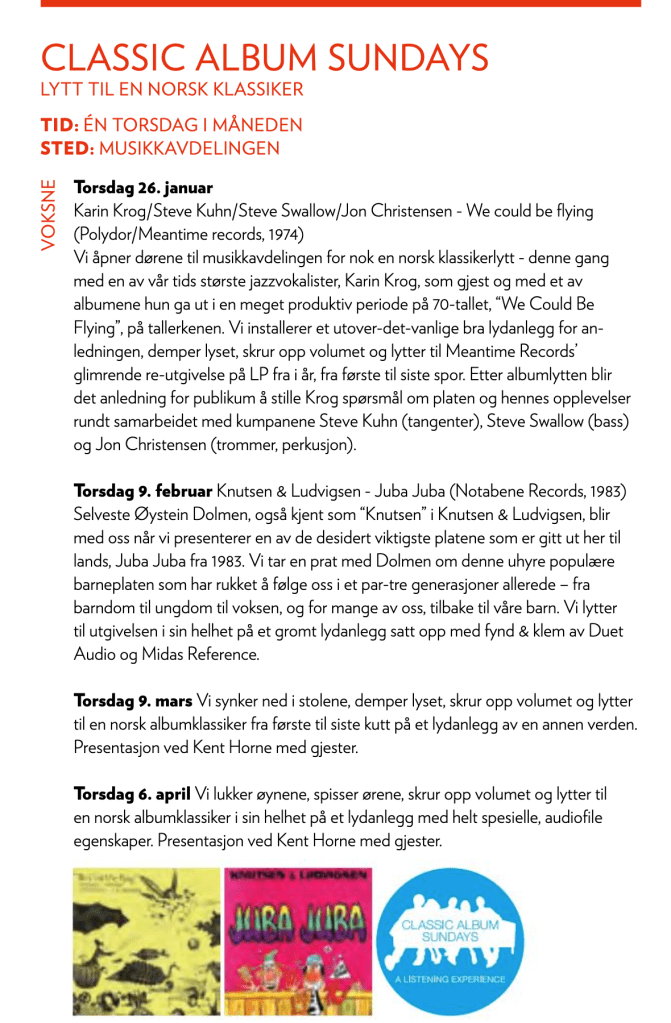
Also, in 2017, a library in Oslo played the album on audiophile equipment and Krog and Christensen were present to take audience questions. I wonder how that went! See the program flyer below – you may note that Knutsen & Ludvigsen’s Juba Juba (1983) was presented in this format 2 weeks later.

Listen to We Could Be Flying here.

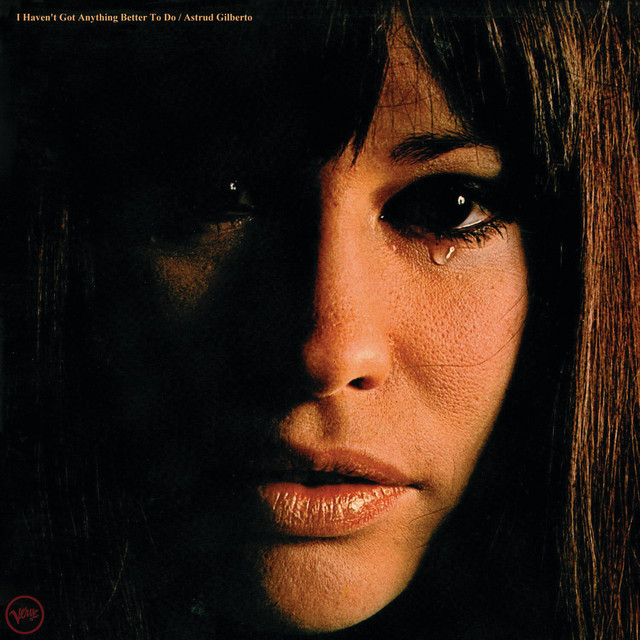
Album of the Week: Astrud Gilberto’s I Haven’t Got Anything Better to Do (1969)

How’s that for a striking cover? I’m not sure if Astrud splashed some water on her face during the shoot, did the acting thing of conjuring up some bad memories, or what. Maybe she was just really that bummed out. In any case, the cover and title drew me to this one. It was actually long before my Sinatra kick, but it would be up any jazz-pop fan’s alley.

Gilberto rejected the “jazz singer” label, and it’s fairly clear why. Her vocals are not complex or improvisational. In fact, they might even be too simple for some, fading into the background at times. Astrud (née Weinert) met João Gilberto through friend and (amazing) singer Nara Leão. João and Astrud married, and she is most known for their smash hit “The Girl from Ipanema” (1963), which they recorded when she was about 23 years old. But it seems she was a bit pigeonholed by this collaboration, and the press referred to her as a housewife.

I like I Haven’t Got Anything Better to Do in part because she is doing her own thing (the couple had by now divorced). Richard Davis, who has perhaps the greatest CV of any bassist ever, is on here. He sounds damn good on “Wailing of the Willow” – one of two Nilsson covers on this album. At under 30 minutes, it’s short and sweet. This album is truly breezy. “The Sea Is My Soil” really comes to life about halfway through in a beautiful moment.

“Without Him”, the other Nilsson cover, is another big highlight. It’s melancholy, yet full of the pep that only that Brazilian-style percussion provides. And as far as tearjerker moments go, I’d rate the saxophone coming in after “if I had wings I could fly” on the closer “If” pretty highly. The fact that this is the last track on the album only adds to its desolate feeling. That’s it! It’s over. What’s left? Nothing!

Astrud Gilberto loves animals and has a very cute old-school website that you should visit.

Listen to I Haven’t Got Anything Better to Do here.