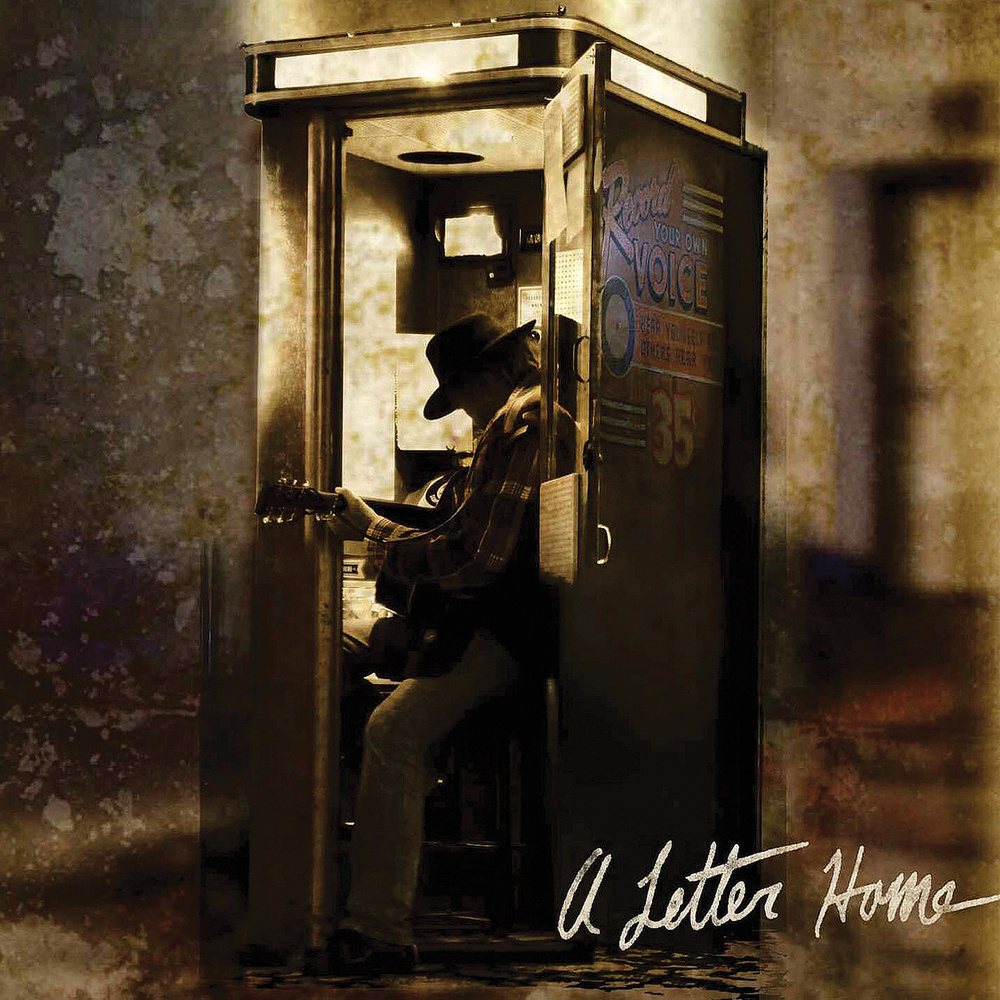
Album of the Week: Neil Young’s A Letter Home (2014)

In which Jack White convinces Neil to play a bunch of acoustic covers inside of a coin-operated 1940s-era vinyl recording booth. The result? The 28th best Neil Young album. No, but really, there’s something comforting about lo-fi Neil. I wouldn’t want to actually listen to this on vinyl/great speakers since the recording quality is so poor; rather, this is an album to play at normal-to-quiet volume on your phone in bed at 1am. With this method you can reasonably convince yourself that Neil has inhabited the ghosts of Phil Ochs and Bert Jansch and is singing to you as you lapse into a dream state.
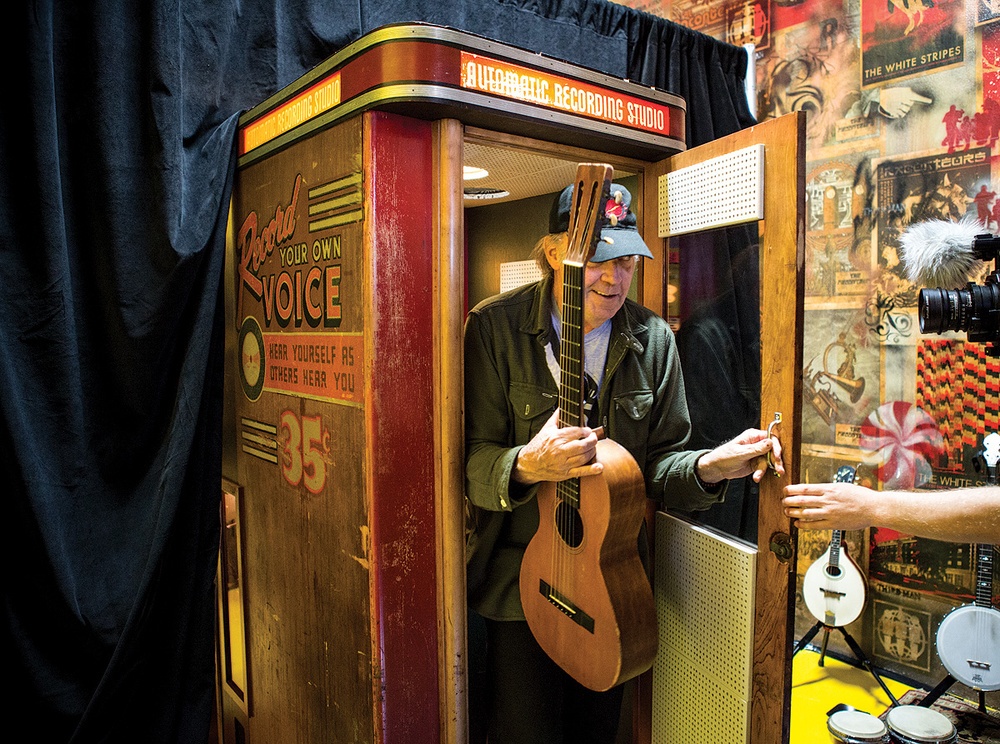
Bro actually recorded an album in this thing.

Alternatively, you can just treat A Letter Home as an album that a legendary 68-year-old guy would approach from the bottom of his heart. What’s especially precious about A Letter Home is that Neil frames the antiquated recording booth as a kind of magical device allowing him to speak to his late mother. This adds a note of earnestness to what would otherwise be an overly gimmicky project. It also explains the Bidenesque rambling (which I love) of the intro track and the beginning of “Reason to Believe”.

As far as song choices go, Ochs’ “Changes” stands out as an early highlight for its theme-appropriate wistfulness. Other tracks appear as memories from his youth (Willie Nelson’s “Crazy”) and/or later influences (Springsteen’s “My Home Town”). Neil approaching “Needle of Death” reveals its melodic influence on his own “Ambulance Blues”. Listening to the album 10 years later, I can’t help but think of Bob Dylan’s mid-2010s run covering pop standards (including the triple-album Triplicate). While Young’s choices are slightly more contemporary, both artists spent time in the mid-2010s sincerely channeling music of a bygone era. Neither project ranks among the respective artists’ greatest work, but they are worthy for their uniqueness and especially their maker’s honest connection to the songs.

Listen to A Letter Home here.
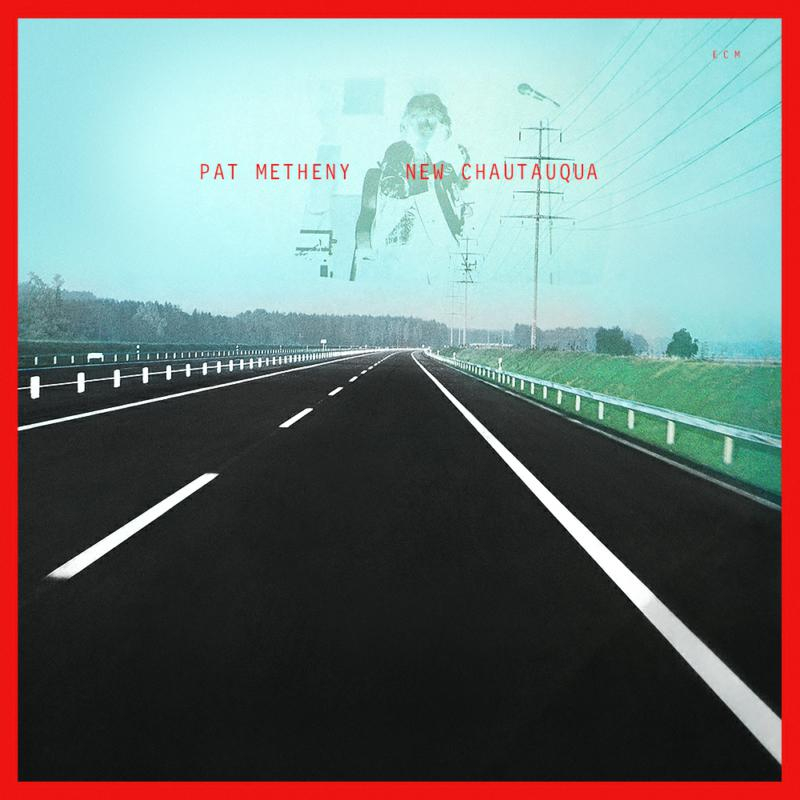
Album of the Week: Pat Metheny’s New Chautauqua (1979)

Here’s an idea: what if Pat Metheny fans were referred to as Meth-heads? Eh? No, sorry, not sure about that one. But the guy does have a devoted fan base. When I saw Metheny in concert (2021), an older couple in line joked to security, “Metal detectors?? But we love Pat Metheny! We would never do anything to hurt him!”

There’s a reason people seek to protect Pat Metheny at all costs. He controls an active legacy dating back almost 50 years to a 1974 recording with Jaco Pastorius, Bruce Ditmas and Paul Bley. Metheny was 19 at the time of the recording, and the album was released in 1976, the same year as Metheny’s proper ECM debut, the trio recording Bright Size Life. Metheny would continue to release strong records for ECM for almost a decade, but his only true solo effort in this bunch is his fourth album, New Chautauqua.

By layering tracks of acoustic and electric guitars, Metheny achieves a strikingly full sound on New Chautauqua by himself. Though the title track is upbeat, the album’s sound as a whole is weightlessly drifting, most notably on the 10 minute “Long Ago Child / Fallen Star”, which reaches a mesmerizing conclusion. It takes almost 7 minutes to get there, but “Fallen Star” is a brilliant oasis, a background of shimmering echoes with soft strings plucking away at the fore.

Chautauqua was a kind of rural educational fair that spread in popularity throughout the U.S. in the late 19th century. What Metheny’s music has to do with it I’m not sure, but I have read somewhere that the album is based on his impressions of New Mexico as a child. After “Fallen Star”, “Hermitage” provides another one of those “oh shit” moments, when the melody drops about a minute in. It’s an easy song to treasure. “Daybreak” rounds things out in a manner fitting its title, as it starts off a slow crawl and rises to a gleaming resolution.

Listen to New Chautauqua here.