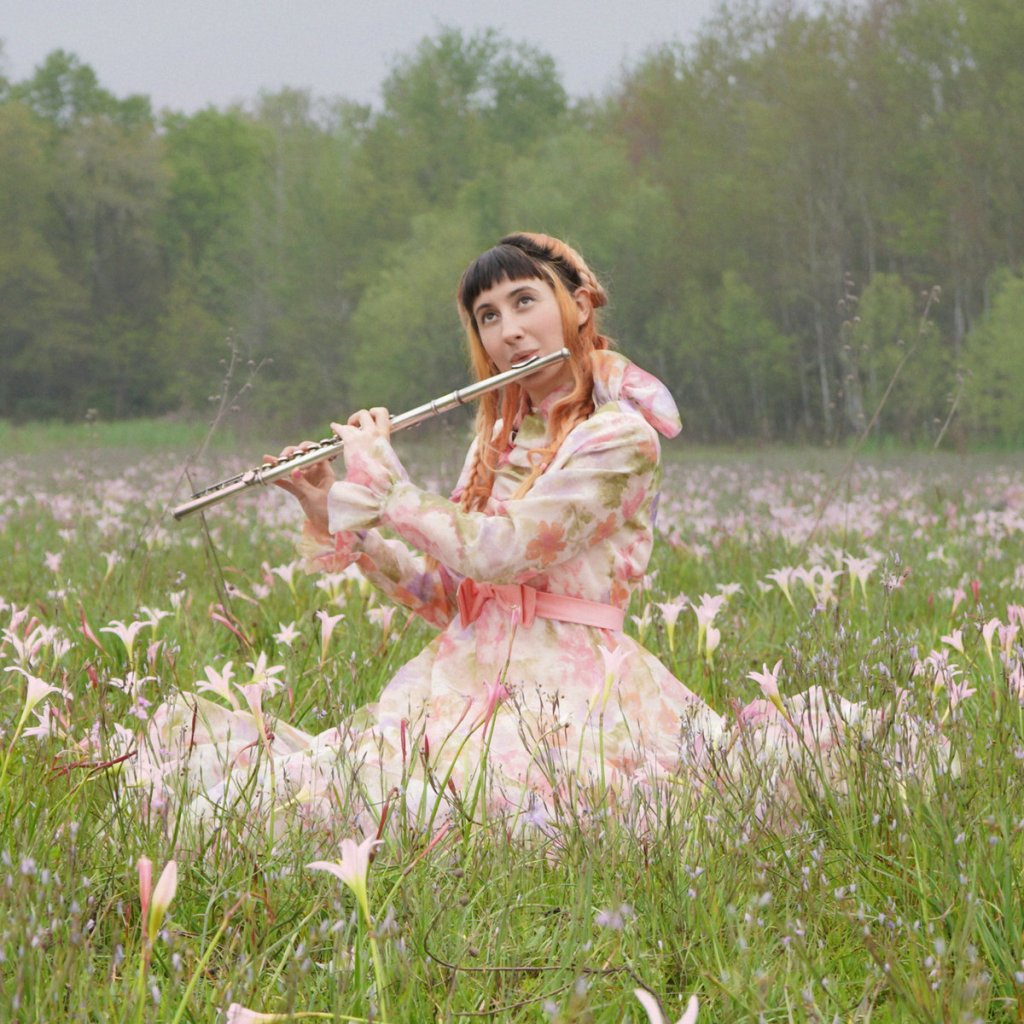
Album of the Week: Batry Powr’s Un1ty Flute (2021)

Nicole Miglis recently released her single “All I Can See Is You”, which blew me away. It got me to revisit her solo album as Batry Power, Un1ty Flute, a Leaving Records tape of longform flute recordings. After a spontaneous recording of what became “Un1ty Flute” fell into Leaving founder Matthewdavid’s hands via a mutual friend, Leaving released the project along with a video for the title track. The description of the YouTube clip notes, “Batry Powr is the experimental ambient side-project of Hundred Waters frontwoman Nicole Miglis primarily recording acoustic or battery-powered instruments in public spaces & nature.

The visual, with Miglis playing flute and plenty of skaters, complements the slow-motion, nature-loving ambience of this music. It’s not surprising that this project was released by Matthewdavid, whose own Trust the Guide and Glide (2016) leaned into these and other New Agey devices.

Track one is a pure flute session accented by the field music of chirping birds. Miglis’s playing is both relaxing and mesmerizing. “ii” is the night to “Un1ty Flute”‘s day, the flute traded in for sleepy piano and the bird noise for wordless vocal harmonies. It is, like “Un1ty Flute”, also unhurried and excellent. Track three on the digital version is a Kodak to Graph remix of “Un1ty Flute” with added zither – it’s heavenly! I haven’t listened to much Hundred Waters, but I’ll start soon.

Listen to Un1ty Flute here.
Album of the Week: Harold Land’s Damisi (1972)

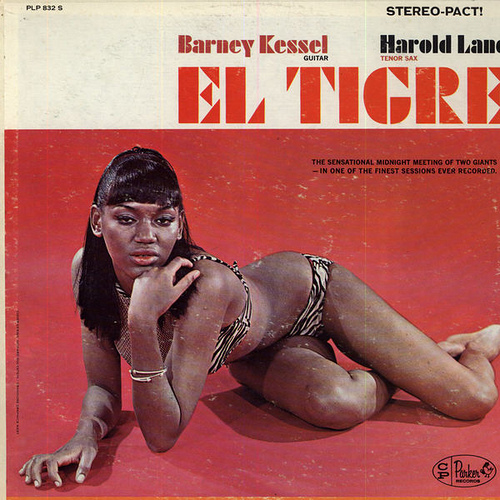
Every day or two at work I close myself in a giant freezer and put on some music while I move boxes around. I like to play jazz when I do this, because it helps me feel active and happy. One album that’s been really doing it for me in this situation is Harold Land’s Damisi. Land was a stalwart sax player who played on numerous classics such as Clifford Brown & Max Roach (1954), and later many Bobby Hutcherson records including personal favorites Now! (1969) and San Francisco (1970). Take a look at one of Land’s first album covers, El Tigre (1958), which is an almost unbelievably 50s-jazz-LP cover (“STEREO-PACT!”):

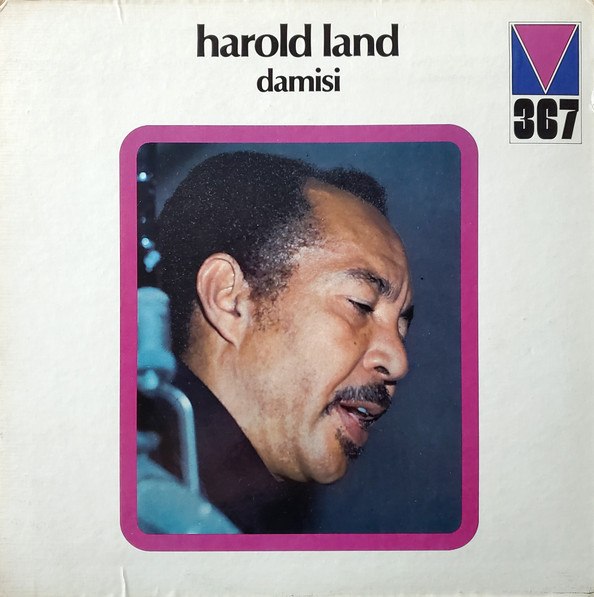
Needless to say, the guy was doing his thing for years, and around the time of his involvement with Hutcherson’s band in the early 70s he began recording LPs as a bandleader for Mainstream Records. I’m currently interested in Mainstream’s 300-series records, which have a distinct pattern in their album covers. I call this the Shapes Series, and you can view the covers on jazzlists. Scroll down to 350+ and note the similarities; Damisi is #367.

Damisi features a fantastic lineup including bassist Buster Williams of Herbie Hancock’s Mwandishi band (responsible for some of my all-time favorite albums). Oscar Brashear plays trumpet and flugelhorn and William Henderson plays piano – both recorded alongside Land for Bobby Hutcherson’s Head On (1971). Rounding out the quintet is drummer Ndugu, who also played on Mwandishi as well as two of my favorite George Duke albums. So this is a tight group!

Damisi is a deep session that verges on fusion with some chunky tracks (most stretch beyond the six-minute mark). Most songs have a groovy theme with both horns playing the melody before Land or another band member solos. “Pakistan” stands out with Land’s fantastic oboe playing, a relative rarity in the saxophonist’s discography. Ndugu’s composition “Chocolate Mess” (all other tracks are credited to Land) captures a magic that Miles Davis’s second great quintet had discovered a few years earlier on Miles in the Sky. The electric piano work, soaring bass and frenetic drumming lay the rhythm for excellent solos from Land and Brashear in that order. A stellar track, it’s one of two on Damisi‘s original second side, along with the title track. “Damisi” begins with fanfare before a mellow, multi-part theme begins. Then Land gives perhaps his best solo of the album, really blowing. A piano solo toward the end of the track suggests a delicate resolve to this album.

The reissued version of Damisi released in 1991 is the one on streaming services. Though its new cover doesn’t fit in with the Shapes Series, two bonus tracks from other recording dates are added, and both feature Bobby Hutcherson! “Dark Mood” is from the A New Shade of Blue sessions and has Billy Hart (Mwandishi, On the Corner) ripping on drums. “Up and Down” is from Land’s previous Mainstream release, Choma (Burn), which includes two drummers as well as Harold Land’s son Jr. on piano. At nearly 11 minutes and with extra percussive elements, this track feels like a lot to tack-on to the original Damisi, but I suppose CD buyers in the 90s could claim their moneys-worth.

Listen to Damisi here.

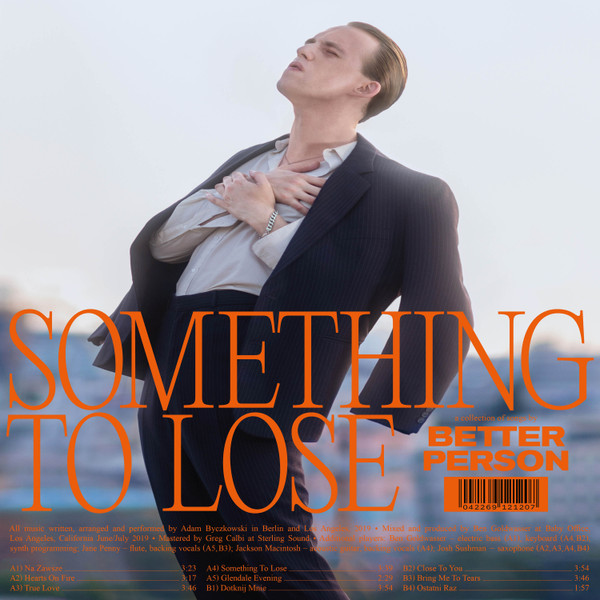
Album of the Week: Better Person’s Something to Lose (2020)

During my research for Jane Penny of TOPS’s recent EP, I learned about Better Person, the solo project of Adam Byczkowski. His lone album (unless you count the 23 minute It’s Only You) is 2020’s Something to Lose, which has quickly become one of my most-played picks in recent weeks. Byczkowski lived with Penny and the album is inspired by her.

In an interview with Breaking Glass Magazine, he described the record as “Heartfelt ballads sung by a Polish man who fell deeply in love.” Tender as all get-out, the Polish-language opener “Na Zawsze” (Forever) is a delicate expression of feeling, accompanied by a touching synth melody. This sets the tone for Something to Lose, which is indeed heartfelt and alternates between driving drum programming (“Hearts on Fire”) and more ambient production (“Glendale Evening”). MGMT’s Ben Goldwasser produced the album in LA after Better Person wrote the songs in Berlin, and it has a consistently lovestruck vibe that will be comfortable to any fans of smooth pop.

Originally planning to title the album True Love, he changed the name after Devon Welsh released his record True Love (2019). Still, the theme comes across as on “Next to You” or the title track “Something to Lose”, an outstanding piece of pop magic. When BP sings “touch me baby” it comes off as completely genuine. Though the synths and programmed drums here might strike some as kitschy, they reflect more on the artist’s bedroom setup than a retro aesthetic.

Released on the heavy-hitting Canadian label Arbutus (as well as Mansions and Millions in Germany), Something to Lose is a worthy addition to their already superb catalog, and an album that unfairly fell through the cracks during the 2020 pandemic. The artist himself suffers from long Covid and has not released music since. Hopefully he will continue to recover and further explore his talent as a musician.

Listen to Something to Lose here.

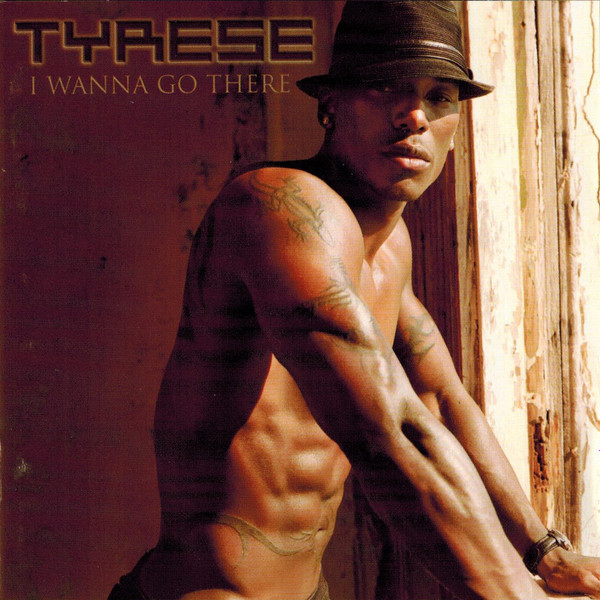
Album of the Week: Tyrese’s I Wanna Go There (2002)

Yo Tyrese, put some clothes on!

I can’t remember the first time I heard Chingy’s “Pullin’ Me Back”, but I was hooked. Tyrese’s chorus bolsters Chingy in a way that he wasn’t able to do on his own choruses, resulting in a 2000s pop/R&B classic. Recently rediscovering that and 2Pac’s “Neva Call U Bitch Again” made me feel like Tyrese must be some kind of unsung genius, so I dug into his third album, I Wanna Go There, on the strength of its single “How You Gonna Act Like That”. This track was produced by The Underdogs, who later made some of my personal favorite 2000s R&B tracks, such as Marques Houston’s “Sex Wit You” and Omarion’s “O”. Like the aforementioned tracks, the magic in this one lies in the chorus, which with its double-tracked vocals sounds wonderfully harmonious. I Wanna Go There as a whole is imperfect, but it’s still a worthy album.

In his music and public life, Tyrese puts it all out there. He has a strong vocal range and successfully employs a formula of restrained singing in his verses followed by bellowing choruses and impressive vocal runs toward the end of his songs. In late-album highlights like “All Ghetto Girl” and “Kinna Right”, his vocals really seal the deal over the music’s smooth production.

There are some lesser tracks here, like the redo of 2Pac’s “How Do You Want It” featuring the less-than-Pac-ish Mr. Tan. The Jermaine Dupri featuring “Girl I Can’t Help It” is surprisingly one of the weaker songs here as well. Still, most of the album sticks to a formula that is really solid R&B. The Poke & Tone produced closer, which samples the same Aretha Franklin song sampled on Mos Def’s “Ms. Fat Booty” is different, but it’s fun to see Tyrese explore his origin story on record. The guy may be mostly known for the Fast & Furious franchise, but he’s got some serious gems.

Listen to I Wanna Go There here.

Album of the Week: Neil Young’s A Letter Home (2014)

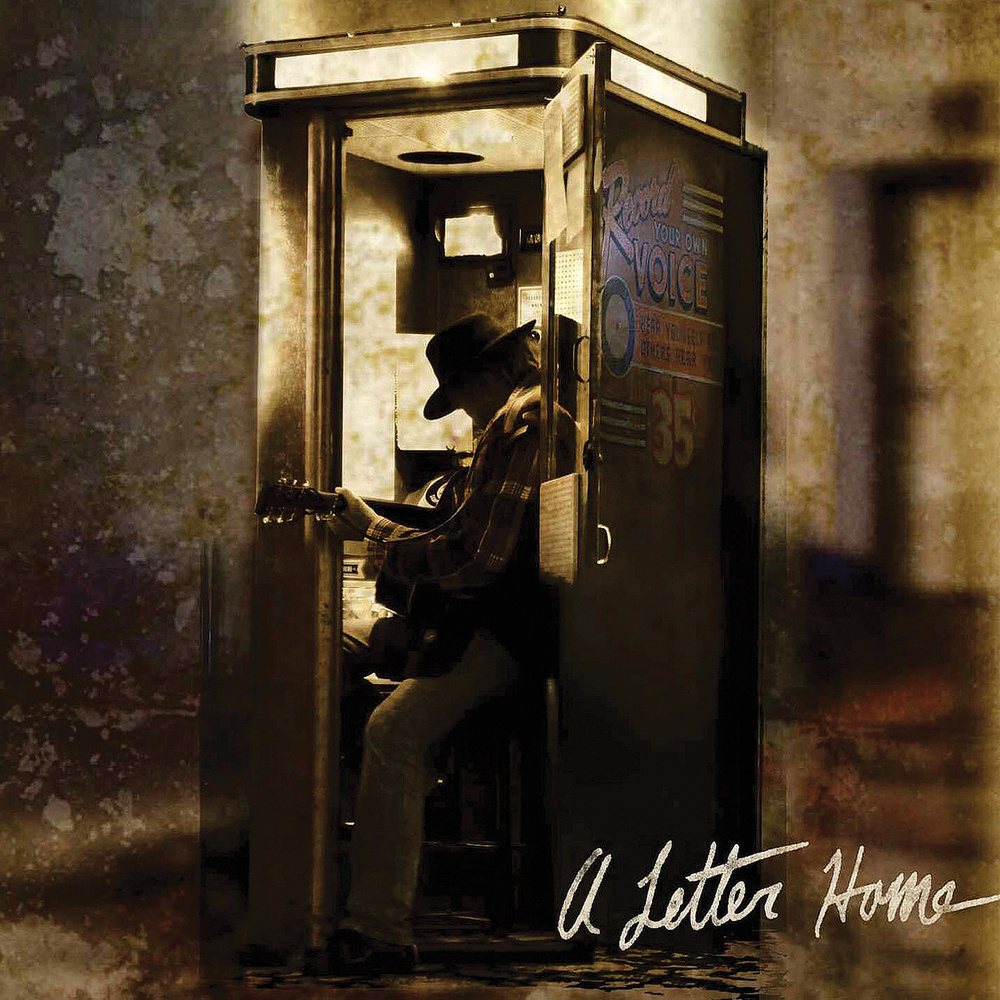
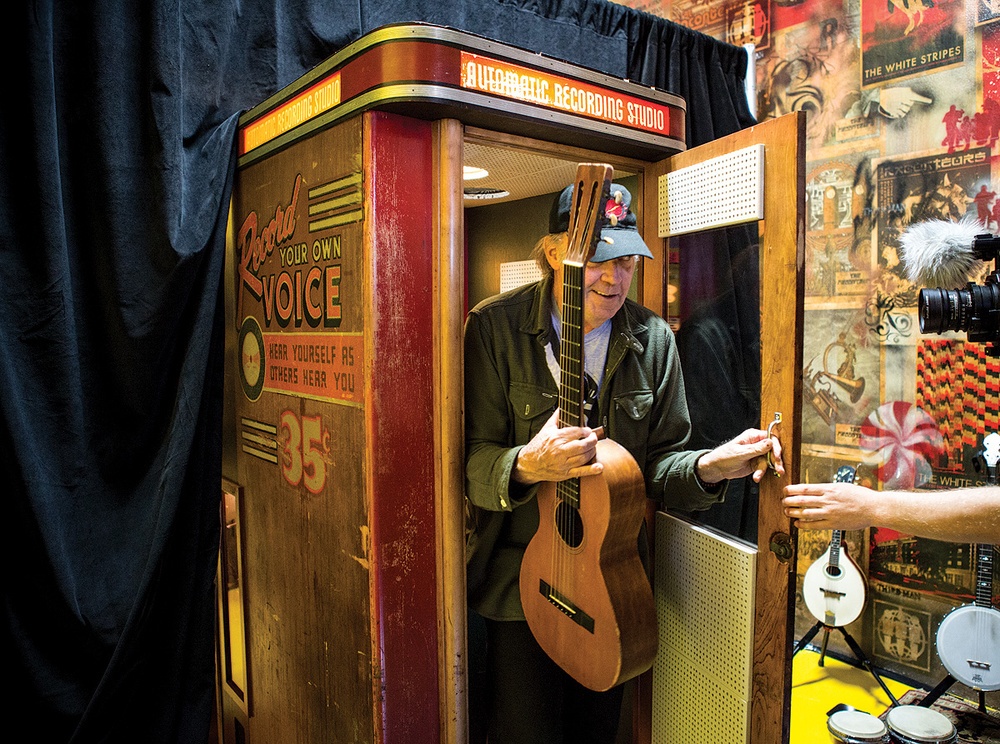
In which Jack White convinces Neil to play a bunch of acoustic covers inside of a coin-operated 1940s-era vinyl recording booth. The result? The 28th best Neil Young album. No, but really, there’s something comforting about lo-fi Neil. I wouldn’t want to actually listen to this on vinyl/great speakers since the recording quality is so poor; rather, this is an album to play at normal-to-quiet volume on your phone in bed at 1am. With this method you can reasonably convince yourself that Neil has inhabited the ghosts of Phil Ochs and Bert Jansch and is singing to you as you lapse into a dream state.

Bro actually recorded an album in this thing.

Alternatively, you can just treat A Letter Home as an album that a legendary 68-year-old guy would approach from the bottom of his heart. What’s especially precious about A Letter Home is that Neil frames the antiquated recording booth as a kind of magical device allowing him to speak to his late mother. This adds a note of earnestness to what would otherwise be an overly gimmicky project. It also explains the Bidenesque rambling (which I love) of the intro track and the beginning of “Reason to Believe”.

As far as song choices go, Ochs’ “Changes” stands out as an early highlight for its theme-appropriate wistfulness. Other tracks appear as memories from his youth (Willie Nelson’s “Crazy”) and/or later influences (Springsteen’s “My Home Town”). Neil approaching “Needle of Death” reveals its melodic influence on his own “Ambulance Blues”. Listening to the album 10 years later, I can’t help but think of Bob Dylan’s mid-2010s run covering pop standards (including the triple-album Triplicate). While Young’s choices are slightly more contemporary, both artists spent time in the mid-2010s sincerely channeling music of a bygone era. Neither project ranks among the respective artists’ greatest work, but they are worthy for their uniqueness and especially their maker’s honest connection to the songs.

Listen to A Letter Home here.

Album of the Week: Willie Colón & Héctor Lavoe’s Vigilante (1983)

Two legends of Puerto Rican music, Willie Colón and Héctor Lavoe collaborated many times in the 15+ years before they recorded Vigilante. The trombonist Colón was recording albums in New York as early as 1967, when Lavoe first joined him as a vocalist at the recommendation of Johnny Pacheco, leader of the influential Fania Records label.

Though their collaborations were successful, Colón and Lavoe did not record together in the mid-to-late 70s and Vigilante was a sort of reunion, as well as their last album together. Recording began in 1982 as a soundtrack for the Robert Forster film Vigilante, which Colón also played a minor acting role in. Though the music was not used as the film soundtrack, it was completed and stands as a remarkable album.

Covering roughly 38 minutes in just 4 tracks, Vigilante is an example of musicians successfully stretching out and jamming, something Lavoe had previously done on albums like Comedia (1978), with its 10-and-a-half minute opener “El Cantante”. “Vigilante”, the second track here, is even more ambitious at over 12 minutes, with orchestral ambience, electric guitar solos, and Colón on vocals. While it sort of abandons the salsa format, “Vigilante” is the kind of stirring, high-concept track befitting an action movie, as was intended.

On the second side, the tale of one “Juanito Alimaña” unfolds to a hip-shaking beat. Lavoe belts as a chorus repeats,

En su mundo mujeres, fumada, y caña
Atracando vive Juanito Alimaña

The closer “Pasé la noche fumando” (“Spent the Night Smoking”) is my favorite track, with beautiful lyrics. No matter how much he smokes or drinks, Lavoe can’t forget his lost love. As he sings it,

Y a voy a fumar de nuevo
Y a pedir bebida
Al saber que luego
Por mas que trate, sin ti no sirve mi vida

This is accompanied by a horn-filled instrumental that just oozes romance and pain. There is some choice guitar picking about 6-minutes into this incredible track.

This album is a bright spot in the otherwise tragic final decade of Hector Lavoe’s life. Lavoe suffered the loss of a family members, a suicide attempt, and complications from AIDS, passing away at age 46 in 1993. Willie Colón has recorded since and performed live as recently as 2023.

Listen to Vigilante here.

Album of the Week: The Bobby Hamilton Quintet Unlimited’s Dream Queen (1972)

This gem is from a Syracuse-based group who played shows with spiritual jazz luminaries like Alice Coltrane and Rahsaan Roland Kirk. Prior to this recording, Bobby Hamilton (not to be confused with jazz vibraphonist Bobby Hutcherson) played drums on several classic Nina Simone albums such as Pastel Blues and Wild Is the Wind. He then recorded the soul-jazz song “Ecology” with his group Anubis.

“Ecology” is a simple jam with funky guitars and vocal harmonies. But his first and only full-length recording would be Dream Queen, a jazzier, deeper undertaking. Despite the name Bobby Hamilton Quintet, seven musicians are credited on Dream Queen, including Mike Gipson on Musser electric vibes (amplified vibraphone) and Abram Brown on tenor sax. No guitars are present, but Pete Manning plays a funky bass.

The first two tracks of Dream Queen are fairly straightforward, with opener “Pearl (Among the Swine)” presenting a jazz-funk rave-up and “Priscilla” highlighting Hamilton’s mellow electric piano tone. “In the Mouth of the Beast” features a spoken rap over disorienting percussion, recalling Gary Bartz’s Harlem Bush Music – Uhuru album from 1971. After a couple of minutes the track settles into a great drum solo with multiple percussionists before unfolding into a full-out jam. The last 3-4 minutes in particular highlight the strength and intensity of the players (killer congas!).

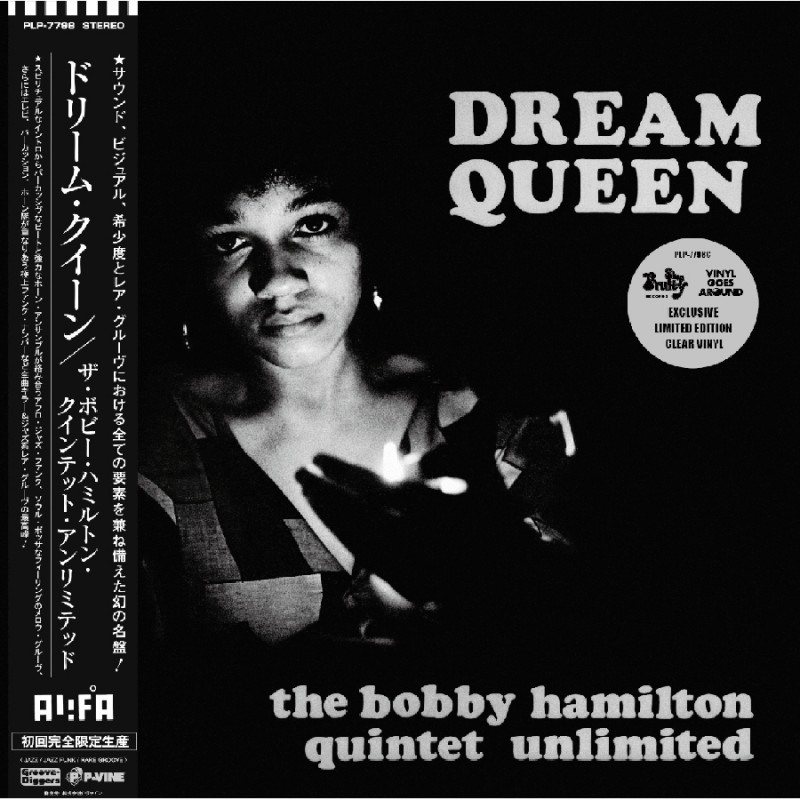
The second side begins with the funky “Roll Your Own” before the title track, which is by far my favorite part of the album. “Dream Queen” is a ghostly, almost drumless meditation with shimmering vibraphone and a floating vocal melody. The sound is pure magic. When the horns enter, they just complete the vibe. I would recommend this track in particular to any fan of jazz-fusion or meditative music. With this monumental track, plus other gems and a striking cover, Dream Queen is something of an overlooked classic.

Listen to Dream Queen here.

Album of the Week: Freddie King’s Getting Ready… (1971)

Freddie King was known as one of the “Three Kings of the Blues Guitar” – I’ve covered B.B. King’s Live in Cook County Jail, and Albert King’s Born Under a Bad Sign (released on Stax!) is another one of my favorite blues albums. Recorded and released in the latter half of a fruitful career, Getting Ready… provides a great argument as to why Freddie is placed among good company in the blues pantheon.

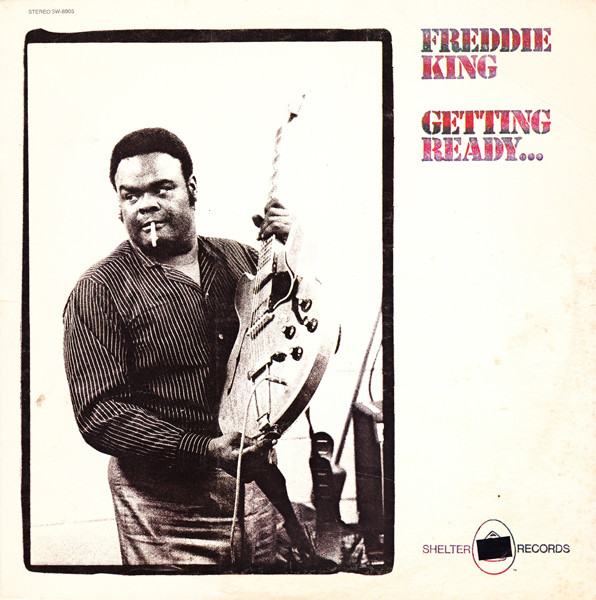
King’s acoustic pickings on “Dust My Broom” provide an early highlight – this song is a favorite of mine because it’s so simple. Elsewhere we hear mostly electric guitar, and King rips it on “Five Long Years” – an Elmore James classic. “Going Down” begins side 2 with what may be King’s single biggest hit. Leon Russell’s signature honky-tonk piano provide an uptempo accompaniment – Russell recorded Getting Ready… for his own Shelter Records label, which put a black mark over its logo (see above) for its litigious resemblance of the Superman logo.

“Walking by Myself”, with its string accompaniment and acoustic guitar is perhaps the most beautiful track here, also showcasing King as a strong vocalist. “(I’m) Tore Down” is notable for being the sole song here written by King, whose poor health and habits led to his untimely death of ulcers and pancreatitis at age 42.

Listen to Getting Ready… here.

Album of the Week: Rob’s Make It Fast, Make It Slow (1978)

Play that funky music, Rob!

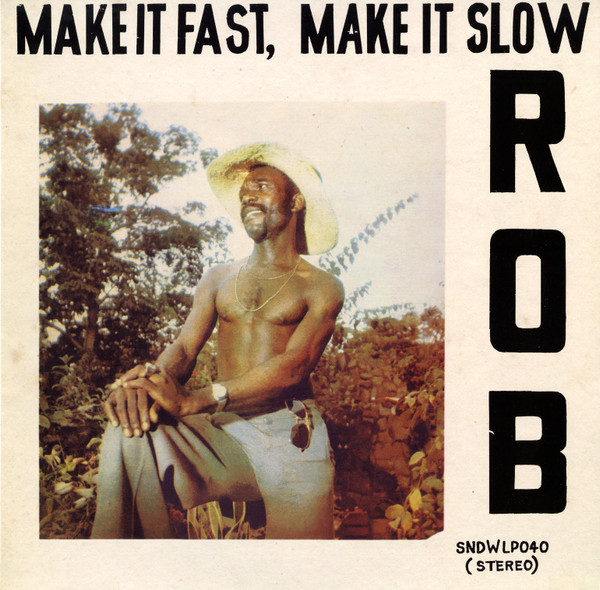
Rob Reindorf is a native of Accra, Ghana, who recorded 3 albums in the late 70s-early 80s before disappearing into obscurity for decades. Thanks to the people at Soundway, this second album of his was reissued in 2012 and is available to stream everywhere.

Beginning with four notes on an organ-sounding keyboard, Make It Fast, Make It Slow quickly gets into funk mode, with its propulsive rhythmic big band and call-and-response choruses recalling Fela Kuti, the godfather of African funk. Horns supplied by a Ghanian army band give these songs an added bite. The sexually charged title-track is counterbalanced by the religious stretch in the middle of the album – “Speak up, to Jesus, and he shall live in you!” tells Rob on “He Shall Live in You”. This track and “Back On You” are truncated, ending unexpectedly, presumably due to an issue in remastering the original recordings.

Rob’s English is imperfect, but it’s the language used on this album, leading to a unique semi-slurred performance that can take multiple listens to decipher. Take a track like “Bargain”, where he is speaking in repeated phrases – it’s a cool twist of language that gives the album an edge.

As of 2023, Rob was back on the music scene, touring Europe due to a resurgence in popularity. Aged into his 70s, Rob is apparently still recording and crushing stages. Go Rob!

Listen to Make It Fast, Make It Slow here.

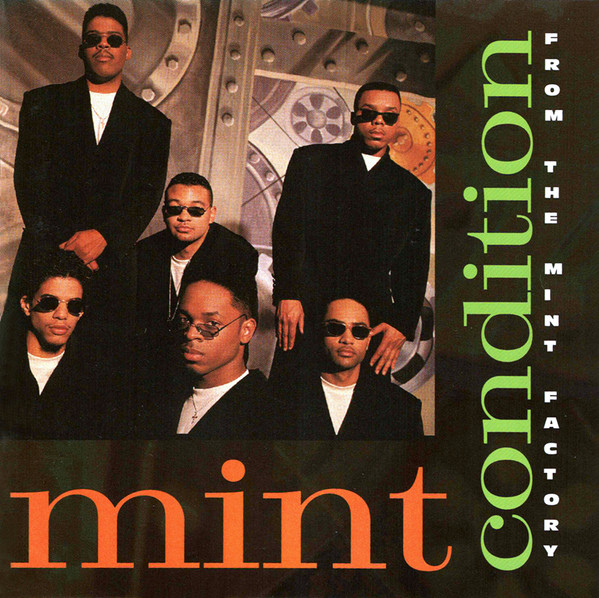
Album of the Week: Mint Condition’s From the Mint Factory (1993)

I listened to this album many years ago, initially wrote it off as average, and forgot about it for a while. But as the years went by and I got more into Babyface and groups like After 7 and Silk, I kept seeing this one pop up. Upon re-evaluation, this is an outstanding and somewhat back-heavy release.

Mint Condition hail from Minneapolis, where they were discovered by Jam & Lewis. I wouldn’t necessarily lump their sound in with Janet Jackson or Prince, and frontman Stokley sounds more like Raphael Saadiq than any Minnesotan, but they do lean on live instruments. While the Purple One was recording with The New Power Generation – a large and rotating band of at least eight members – in the early 90s, Mint Condition were releasing their first two albums, Meant to Be Mint (1991) and From the Mint Factory.

The production on this record is super slick, and I think it will be make-or-break for anyone revisiting it today. The drum programming dips into a New Jack Swing sound, which by the time of this album had been around for several years. Guy, Keith Sweat and Bobby Brown all dropped genre-defining albums in ’87-88, and even “Do the Bartman” was released in 1990. By 1993, New Jack Swing was past its critical and commercial peak. But Mint Condition sort of split the difference between New Jack pop and midwestern soul.

When it leans into live drums is often where the album finds its greatest success. “Someone to Love” is a tender ballad with drumkit and saxophone that wouldn’t be out of place in a Prince playlist. “10 Million Strong” has a cool live-sounding hiss in the background in addition to its drums. “U Send Me Swingin'” is a plain revelation. I was listening to this song a lot in 2021 and after I got my Covid shot I was up at 3am in a dazed delirium, drinking grapefruit Polar, watching Cluny Brown and singing “U send me sWANNGgANNN!” These are memories you just don’t forget.

“So Fine” is an electric guitar-heavy ballad, and “Back to Your Lovin'” is a slow-jam oozing with sweetness. I can’t get enough of this one. Also, the last two tracks here are really interesting because they both employ electric guitar in ways you wouldn’t normally expect for a 90s R&B album. “My High” is like a vignette and “Fidelity” has an almost heavy metal guitar and goes all-out rock to become an album closer sort of like Goodie Mob’s “Just About Over”, their rock song which is the penultimate track on Still Standing (1998). These songs are both hate-it-til-you-love-it things for me. My guy Jellybean Johnson who did the solo on Alexander O’Neal’s “Criticize” (one of the best songs ever) plays electric guitar here and really hammers it home.

“Harmony” is a little corny with its steel drums and as I mentioned earlier, some of the tracks in the first half of this album are underwhelming. Despite that, From the Mint Factory is an excellent disc. I also recommend seeking out the Ummah (production from Q-Tip and J Dilla) Mix of “Let Me Be the One” from Mint Condition’s The Collection (1991-1998) featuring a great verse from Phife – who says “Meet me at the T-Wolves game tonight!”

Listen to From the Mint Factory here.